Role of nanotechnology in medical advancements
Nanotechnology has revolutionized the field of medicine by enabling the development of innovative drug delivery systems, enhancing diagnostic techniques, and paving the way for personalized medicine.
Drug Delivery Systems
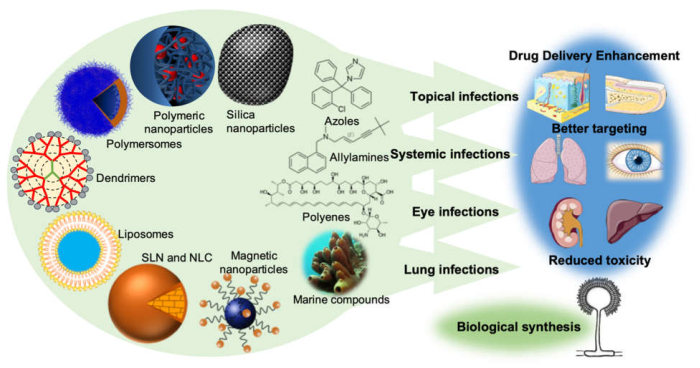
Nanotechnology has allowed for the creation of novel drug delivery systems that target specific cells or tissues in the body, increasing the efficacy and reducing side effects of medications. For example, nanoparticles can be engineered to encapsulate drugs and release them gradually at the site of action, leading to improved treatment outcomes for patients.
Diagnostic Techniques
In healthcare, nanotechnology is enhancing diagnostic techniques by enabling the development of highly sensitive and specific imaging tools. Nanoparticles can be designed to detect biomarkers of diseases at an early stage, allowing for timely intervention and personalized treatment plans. For instance, quantum dots are being used in imaging technologies to improve the accuracy of cancer diagnosis.
Personalized Medicine
The impact of nanotechnology on personalized medicine is profound, as it allows for the customization of medical treatments based on an individual’s genetic makeup, lifestyle, and specific health conditions. Nanoparticles can be tailored to deliver precise dosages of medications to target cells, maximizing therapeutic benefits while minimizing adverse effects. This approach holds great promise for the future of healthcare, where treatments can be optimized for each patient’s unique needs.
Healthy Snacks
Incorporating healthy snacks into your daily diet can have numerous benefits for your overall health and well-being. Not only can they help to keep you energized throughout the day, but they can also provide essential nutrients that your body needs to function optimally.
Examples of Nutrient-rich Snacks
- Raw nuts and seeds: Almonds, walnuts, chia seeds, and pumpkin seeds are excellent sources of healthy fats, protein, and fiber.
- Fresh fruits: Berries, apples, oranges, and bananas are packed with vitamins, minerals, and antioxidants to support your immune system.
- Greek yogurt: High in protein and probiotics, Greek yogurt can help with digestion and muscle recovery.
- Vegetable sticks with hummus: Carrot, cucumber, and bell pepper sticks paired with hummus provide a satisfying crunch and a dose of fiber and protein.
Importance of Portion Control
Maintaining portion control when consuming snacks is crucial to prevent overeating and to ensure that you are getting the right balance of nutrients. It’s easy to mindlessly snack on unhealthy options if you’re not paying attention to portion sizes. By portioning out your snacks in advance or choosing pre-packaged options, you can better control your calorie intake and avoid unnecessary weight gain.
Wellness Programs
Role of nanotechnology in medical advancements – Wellness programs play a crucial role in promoting the overall well-being of individuals, whether in a corporate setting or within communities. These programs are designed to address not only physical health but also mental and emotional wellness.
Components of a Comprehensive Wellness Program
- Physical Fitness Activities: Incorporating exercise routines, fitness challenges, and group workouts to promote physical health.
- Nutritional Support: Providing education on healthy eating habits, offering nutritious snacks, and organizing cooking classes.
- Mental Health Resources: Offering counseling services, stress management workshops, and mindfulness sessions to support mental well-being.
- Emotional Support: Creating a safe space for individuals to express their feelings, organizing team-building activities, and promoting work-life balance.
Examples of Wellness Initiatives
Wellness initiatives come in various forms to cater to different aspects of well-being:
- On-Site Gyms: Providing employees with access to fitness facilities and workout classes during breaks or after work hours.
- Mindfulness Programs: Offering meditation sessions, yoga classes, and relaxation techniques to reduce stress and improve mental clarity.
- Healthy Eating Campaigns: Promoting the consumption of fruits, vegetables, and whole grains through workshops, meal plans, and healthy snack options.
Role of Wellness Programs in Reducing Stress and Improving Productivity
- Stress Reduction: Wellness programs help individuals cope with stress through relaxation techniques, counseling, and mental health support, leading to a more balanced and focused mindset.
- Improved Productivity: By addressing physical, mental, and emotional well-being, wellness programs enhance employee morale, engagement, and overall productivity in the workplace.
Physical Therapy
Physical therapy plays a crucial role in rehabilitation and injury prevention, helping individuals recover from injuries, surgeries, or medical conditions. It focuses on improving mobility, reducing pain, and restoring function to enhance overall quality of life.
Benefits of Physical Therapy
- Enhances flexibility and range of motion
- Strengthens muscles and improves endurance
- Reduces pain and inflammation
- Prevents future injuries by correcting imbalances
Common Physical Therapy Techniques
- Therapeutic exercises tailored to individual needs
- Manual therapy to manipulate joints and soft tissues
- Ultrasound or electrical stimulation for pain relief
- Heat and ice therapy to reduce inflammation
Achieving Fitness Goals
Physical therapy can help individuals achieve their fitness goals by creating personalized treatment plans that address specific needs and limitations. By improving strength, flexibility, and endurance, patients can progress towards their fitness objectives in a safe and effective manner.
Health Coaching
Health coaching plays a crucial role in helping individuals make sustainable lifestyle changes by providing personalized guidance and support. A health coach works with clients to identify their health goals, create action plans, and provide motivation to achieve long-term success.
Role of a Health Coach
A health coach focuses on behavior modification techniques to help individuals adopt healthier habits and make positive changes in their lives. These techniques often involve:
- Setting realistic and achievable goals
- Creating action plans with specific steps
- Identifying and overcoming barriers to change
- Providing ongoing support and accountability
Importance of Setting Achievable Health Goals
Setting achievable health goals with the help of a health coach is essential for long-term success and sustainable lifestyle changes. By setting realistic goals, individuals can track their progress, stay motivated, and make gradual improvements to their overall health and well-being.
Fitness Goals
Setting realistic and achievable fitness goals is essential for making progress and staying motivated on your wellness journey. It’s important to have a clear understanding of what you want to achieve and a plan to reach those goals.
Tips for Setting Fitness Goals
- Start by identifying specific and measurable goals, such as running a 5k or losing 10 pounds.
- Break down your goals into smaller, manageable steps to make them more attainable.
- Set a timeline for achieving each goal to stay on track and hold yourself accountable.
- Consider seeking guidance from a fitness professional to help you set realistic goals based on your current fitness level.
Importance of Tracking Progress
Tracking your progress is crucial for staying motivated and making adjustments to your fitness goals. By monitoring your workouts, nutrition, and overall wellness, you can see what’s working and what needs improvement.
- Keep a workout journal or use a fitness app to track your exercises, reps, and sets.
- Monitor your nutrition intake to ensure you’re fueling your body properly for your fitness goals.
- Regularly assess your progress and make adjustments to your goals as needed to continue challenging yourself.
- Celebrate small victories along the way to stay motivated and encouraged on your fitness journey.
Benefits of Achieving Fitness Goals
Reaching your fitness goals goes beyond just physical appearance – it can have a positive impact on your overall health and well-being. When you achieve your fitness goals, you may experience:
- Increased energy levels and stamina for daily activities.
- Improved mood and mental clarity due to the release of endorphins during exercise.
- Enhanced self-confidence and body image from achieving personal milestones.
- Reduced risk of chronic diseases such as heart disease, diabetes, and obesity.
Balanced Nutrition
Balanced nutrition is essential for maintaining overall health and well-being. It involves consuming a variety of foods that provide all the necessary nutrients in the right proportions to support proper bodily functions.
Importance of Balanced Nutrition
Having a balanced diet is crucial as it ensures that your body receives the right amount of vitamins, minerals, proteins, carbohydrates, and fats. This, in turn, helps in boosting the immune system, improving metabolism, and promoting optimal organ function.
- Include a variety of fruits and vegetables in your daily meals to get a range of vitamins and antioxidants.
- Incorporate whole grains, lean proteins, and healthy fats to maintain a well-rounded diet.
- Avoid excessive intake of processed foods, sugary drinks, and high-fat snacks to prevent nutrient deficiencies.
Impact on Weight Management and Energy Levels
Consuming a balanced diet can significantly impact weight management and energy levels. By providing the body with the right nutrients, it helps in maintaining a healthy weight and sustaining energy throughout the day.
- A balanced meal plan can help prevent overeating and promote satiety, aiding in weight loss or maintenance.
- The combination of carbohydrates, proteins, and fats in balanced meals regulates blood sugar levels, preventing energy crashes.
- Proper nutrition supports physical activity and exercise performance, contributing to overall fitness and well-being.
Mental Strength
In today’s fast-paced world, building mental resilience and coping with stress are essential skills for achieving personal and professional success. Mental strength plays a crucial role in helping individuals overcome challenges, stay focused, and maintain a positive outlook on life. In this section, we will explore strategies for enhancing mental well-being and the importance of cultivating mental strength in our daily lives.
Strategies for Building Mental Resilience
- Practice mindfulness: Engaging in mindfulness activities such as meditation, deep breathing exercises, and yoga can help reduce stress and improve mental clarity.
- Develop a strong support system: Surround yourself with positive and supportive individuals who can provide encouragement and guidance during difficult times.
- Set realistic goals: Break down big goals into smaller, manageable tasks to avoid feeling overwhelmed and increase feelings of accomplishment.
Importance of Mental Strength in Achieving Goals
- Mental strength is the foundation for achieving personal and professional goals, as it helps individuals stay focused, motivated, and resilient in the face of challenges.
- Individuals with strong mental resilience are better equipped to handle setbacks, adapt to change, and maintain a positive mindset throughout their journey towards success.
- By developing mental strength, individuals can improve their decision-making skills, enhance their emotional intelligence, and foster healthy relationships with others.
Mindfulness Techniques for Improving Mental Well-being
- Practice deep breathing exercises: Taking slow, deep breaths can help calm the mind, reduce anxiety, and promote relaxation.
- Engage in mindful eating: Paying attention to the taste, texture, and aroma of food can help individuals savor their meals and develop a healthier relationship with food.
- Stay present in the moment: Focus on the present moment without dwelling on the past or worrying about the future, to enhance overall mental well-being.
Yoga Practice
Regular practice of yoga offers a myriad of physical and mental health benefits, making it a popular choice for those seeking overall wellness.
Yoga can improve flexibility, strength, and promote a deeper mind-body connection. Different styles of yoga cater to various needs and preferences, allowing individuals to find a practice that suits them best.
Different Yoga Styles and Benefits
- Hatha Yoga: Focuses on basic postures and breathing techniques, suitable for beginners. Helps improve flexibility and balance.
- Vinyasa Yoga: Involves flowing sequences of poses, enhancing cardiovascular fitness and strength.
- Ashtanga Yoga: A more intense practice involving a set series of poses to build strength and endurance.
- Bikram Yoga: Conducted in a heated room, promotes detoxification through sweat and increases flexibility.
- Kundalini Yoga: Emphasizes breathwork, meditation, and chanting to awaken spiritual energy and improve mental clarity.
Physical and Mental Health Benefits
- Improves flexibility: Regular practice of yoga postures (asanas) helps increase flexibility in muscles and joints.
- Enhances strength: Holding yoga poses strengthens muscles and improves overall body strength.
- Promotes relaxation: Breathing techniques and meditation in yoga help reduce stress and promote relaxation.
- Boosts mental clarity: Yoga practices can enhance focus, concentration, and mental clarity.
- Improves posture: By strengthening core muscles, yoga helps improve posture and alignment.
Health Education
Health education plays a crucial role in promoting preventive care by empowering individuals with the knowledge and skills necessary to make informed decisions about their health. By focusing on disease prevention and healthy lifestyle habits, health education programs aim to improve overall well-being and reduce the risk of chronic illnesses.
Importance of Health Education in Preventive Care
Health education equips individuals with the information needed to understand the importance of preventive care measures such as regular exercise, balanced nutrition, and stress management. By raising awareness about the impact of lifestyle choices on health outcomes, education programs can motivate individuals to adopt healthier habits and take proactive steps to prevent diseases.
Examples of Health Education Programs
- Community-based workshops on healthy eating and physical activity
- School programs promoting tobacco cessation and substance abuse prevention
- Workplace initiatives focusing on mental health awareness and stress reduction techniques
Empowering Individuals through Health Education
Health education empowers individuals to take control of their health by providing them with the tools to make informed decisions. By understanding the risks associated with certain behaviors and the benefits of healthy choices, individuals can proactively manage their well-being and reduce the likelihood of developing chronic conditions.
Weight Management
Maintaining a healthy weight is crucial for overall health and well-being. It not only helps prevent various chronic diseases but also improves quality of life. Here are some strategies for achieving and sustaining a healthy weight:
Importance of Weight Management
Effective weight management is essential for reducing the risk of conditions such as heart disease, diabetes, and certain types of cancer. It also plays a significant role in improving energy levels, mood, and self-esteem.
Strategies for Weight Management
- Adopting a balanced diet that includes a variety of nutrient-dense foods such as fruits, vegetables, whole grains, and lean proteins.
- Engaging in regular physical activity to burn calories and improve metabolism.
- Practicing portion control and mindful eating to avoid overeating.
- Setting realistic and achievable goals for weight loss or maintenance.
- Seeking support from healthcare professionals, nutritionists, or support groups for guidance and motivation.
Health Checkups
Regular health checkups play a crucial role in maintaining good health by detecting potential issues early on. These routine screenings can help prevent serious medical conditions and ensure timely intervention when necessary.
Essential Health Screenings
- For Women:
– Mammograms for breast cancer screening
– Pap smears for cervical cancer detection
– Bone density tests for osteoporosis risk assessment - For Men:
– Prostate-specific antigen (PSA) test for prostate cancer screening
– Colonoscopy for colorectal cancer prevention
– Lipid profile for heart disease risk evaluation - For Both Genders:
– Blood pressure monitoring for hypertension
– Blood glucose tests for diabetes screening
– Cholesterol levels check for cardiovascular health
Prevention of Medical Conditions
Routine health checkups not only help in early detection but also play a vital role in preventing serious medical conditions. By identifying risk factors and addressing them promptly, individuals can take proactive measures to maintain their health and well-being.
Skin Health
Maintaining healthy skin is essential for overall well-being. Proper skincare routines, addressing common skin issues, and adopting healthy lifestyle habits can significantly improve skin health.
Tips for Maintaining Healthy Skin
- Always cleanse your skin gently to remove dirt and impurities without stripping natural oils.
- Moisturize regularly to keep your skin hydrated and prevent dryness.
- Protect your skin from the sun by using sunscreen daily.
- Eat a balanced diet rich in fruits, vegetables, and omega-3 fatty acids to nourish your skin from within.
- Stay hydrated by drinking an adequate amount of water throughout the day.
Common Skin Issues and Treatments
- Acne: Treatments may include topical creams, oral medications, or procedures like chemical peels or laser therapy.
- Eczema: Managing eczema involves using moisturizers, avoiding triggers, and sometimes prescription medications.
- Aging: Anti-aging treatments such as retinoids, antioxidants, and collagen-boosting products can help reduce signs of aging.
Lifestyle Habits for Improved Skin Health
- Get an adequate amount of sleep to allow your skin to repair and regenerate.
- Exercise regularly to improve circulation and promote healthy skin.
- Avoid smoking and limit alcohol consumption, as they can damage skin cells and accelerate aging.
- Manage stress through relaxation techniques like yoga, meditation, or deep breathing exercises.
- Avoid excessive sun exposure and tanning beds to prevent premature aging and skin damage.
Emotional Health
Emotional health plays a crucial role in our overall well-being. It is closely connected to our mental, physical, and social health, impacting how we think, feel, and act in various situations. Managing emotions effectively and promoting emotional resilience are essential for maintaining a balanced and healthy lifestyle.
Strategies for Managing Emotions and Promoting Emotional Resilience
- Practice mindfulness and relaxation techniques such as meditation and deep breathing exercises to stay calm and centered.
- Engage in activities you enjoy, such as hobbies, exercise, or spending time with loved ones, to boost your mood and reduce stress.
- Develop healthy coping mechanisms to deal with negative emotions, such as journaling, talking to a trusted friend, or seeking professional help if needed.
- Prioritize self-care and make time for yourself to recharge and rejuvenate both mentally and emotionally.
The Importance of Seeking Professional Help for Mental Health Concerns
Seeking professional help for mental health concerns is crucial for getting the support and guidance needed to overcome challenges and improve emotional well-being. Mental health professionals, such as therapists, counselors, or psychiatrists, can provide therapy, medication, or other interventions tailored to your specific needs. It is important to break the stigma surrounding mental health and seek help when necessary to lead a fulfilling and healthy life.
Health Motivation
Maintaining a healthy lifestyle can be challenging, but staying motivated is key to achieving your health goals. Whether it’s intrinsic or extrinsic motivation, finding ways to keep yourself inspired and focused is crucial for long-term success.
Tips for Staying Motivated
- Set realistic and achievable goals to avoid feeling overwhelmed.
- Find a workout buddy or join a fitness group for added support and accountability.
- Reward yourself with non-food treats for reaching milestones along your health journey.
- Track your progress using a journal or app to see how far you’ve come.
Role of Intrinsic and Extrinsic Motivation
Both intrinsic (internal) and extrinsic (external) motivation play a crucial role in maintaining a healthy lifestyle. Intrinsic motivation comes from within, driven by personal satisfaction and enjoyment of the activities themselves. Extrinsic motivation, on the other hand, involves external rewards or consequences that push you to achieve your health goals.
Celebrating Small Victories
- Recognize and celebrate even the smallest achievements, such as choosing a healthy snack over a sugary treat.
- Share your successes with friends and family to boost your motivation and inspire others.
- Rewards can be as simple as treating yourself to a movie night or a relaxing bath after a week of sticking to your fitness routine.
Physical Activities: Role Of Nanotechnology In Medical Advancements
Regular physical activity plays a crucial role in maintaining overall health and well-being. It not only helps in managing weight but also reduces the risk of chronic diseases, improves mental health, and enhances quality of life.
Types of Physical Activities
- Aerobic exercise: Activities like running, swimming, or cycling improve cardiovascular health, increase endurance, and boost mood.
- Strength training: Weightlifting or bodyweight exercises help in building muscle strength, improving bone health, and increasing metabolism.
- Flexibility exercises: Stretching or yoga can enhance flexibility, reduce the risk of injury, and promote relaxation.
- Balance exercises: Tai chi or specific yoga poses can enhance stability, prevent falls, and improve posture.
Benefits of Incorporating Physical Activities
Regular physical activity not only improves physical health but also has numerous mental and emotional benefits. By incorporating physical activities into daily routines, individuals can experience:
- Increased energy levels
- Improved mood and reduced stress
- Better sleep quality
- Enhanced cognitive function
- Stronger immune system
- Increased self-confidence and body image
- Reduced risk of depression and anxiety
Health Awareness
Raising awareness about common health issues is crucial in promoting overall well-being and preventing illnesses. By educating individuals about the importance of maintaining good health and recognizing early signs of diseases, we can empower them to take control of their health and make informed decisions.
Examples of Health Awareness Campaigns
- The “Know Your Numbers” campaign focuses on educating individuals about monitoring their blood pressure, cholesterol levels, and other vital health indicators to prevent cardiovascular diseases.
- The “Breast Cancer Awareness Month” campaign aims to spread awareness about breast cancer screening and early detection, emphasizing the importance of regular mammograms for women’s health.
- The “World AIDS Day” campaign raises awareness about HIV/AIDS prevention, testing, and treatment options, reducing stigma and promoting access to healthcare services for affected individuals.
Positive Behavior Changes, Role of nanotechnology in medical advancements
Increased health awareness can lead to positive behavior changes by encouraging individuals to adopt healthy lifestyle habits and seek preventive care. When people are more informed about the risks associated with certain health conditions, they are more likely to make healthier choices, such as maintaining a balanced diet, staying physically active, and attending regular health check-ups. Ultimately, promoting health awareness can empower individuals to prioritize their well-being and take proactive steps towards a healthier future.
Preventive Medicine
Preventive medicine plays a crucial role in reducing healthcare costs by focusing on promoting health and wellness to prevent the onset of illnesses rather than just treating them after they occur.
Principles of Preventive Medicine
- Regular vaccinations help prevent the spread of infectious diseases in communities.
- Screenings such as mammograms and colonoscopies can detect diseases early when they are more treatable.
- Promoting healthy lifestyle choices like exercise and balanced nutrition can prevent chronic conditions like heart disease and diabetes.
Examples of Preventive Measures
- Vaccinations for diseases like measles, influenza, and HPV.
- Regular screenings for conditions like breast cancer, cervical cancer, and high blood pressure.
- Encouraging physical activity, healthy eating habits, and stress management techniques.
Focus on Health and Wellness
Preventive medicine aims to shift the focus from treating illnesses to promoting overall health and well-being. By emphasizing healthy habits and early detection, individuals can lead healthier lives and reduce the burden on the healthcare system.
Nutritional Counseling
Nutritional counseling plays a crucial role in promoting healthy eating habits and overall well-being. By working with a nutritional counselor, individuals can receive personalized guidance and support to achieve their health goals through diet.
Benefits of Nutritional Counseling
- Education on balanced nutrition and healthy eating habits.
- Customized meal plans tailored to individual needs and preferences.
- Support in managing medical conditions through diet, such as diabetes or high blood pressure.
- Accountability and motivation to make sustainable lifestyle changes.
Personalized Nutrition Plans
Nutritional counselors create personalized nutrition plans based on an individual’s health goals, dietary restrictions, and lifestyle factors. These plans may include:
- Meal plans with specific calorie or nutrient targets.
- Recommendations for portion control and mindful eating.
- Guidance on incorporating nutrient-dense foods for optimal health.
- Strategies for dining out or traveling while maintaining a balanced diet.
Role of a Nutritional Counselor
A nutritional counselor helps individuals navigate the complexities of nutrition and empowers them to make informed choices about their diet. Their role includes:
- Assessing dietary needs and developing personalized nutrition plans.
- Educating clients on the importance of nutrition for overall health and well-being.
- Providing ongoing support, guidance, and motivation to help individuals reach their health goals.
- Monitoring progress and making adjustments to nutrition plans as needed.
Healthy Mind
Maintaining a healthy mind is crucial for overall well-being and cognitive function. A healthy mind is not only important for mental clarity but also plays a significant role in maintaining physical health. Engaging in activities that promote brain health can contribute to a balanced and fulfilling life.
Strategies for Maintaining Mental Well-being
- Regular exercise: Physical activity is not only beneficial for the body but also for the mind. Exercise helps reduce stress, improve mood, and enhance cognitive function.
- Mindfulness and meditation: Practicing mindfulness and meditation can help calm the mind, reduce anxiety, and improve focus and attention.
- Healthy diet: Consuming a balanced diet rich in nutrients like omega-3 fatty acids, antioxidants, and vitamins is essential for brain health.
- Social connections: Maintaining strong social connections and fostering relationships can help reduce feelings of loneliness and improve mental well-being.
Connection between a Healthy Mind and Physical Health
- Stress management: Chronic stress can have detrimental effects on both mental and physical health. A healthy mind can help in managing stress and reducing the risk of developing stress-related illnesses.
- Improved immune function: A positive mindset and mental well-being can boost the immune system, making the body more resilient to illnesses.
- Enhanced sleep quality: Mental clarity and a healthy mind can contribute to better sleep quality, which is essential for overall physical health and well-being.
Activities that Promote Brain Health and Mental Clarity
- Brain games and puzzles: Engaging in activities that challenge the brain, such as puzzles, crosswords, and memory games, can help improve cognitive function and enhance mental clarity.
- Learning new skills: Acquiring new skills and knowledge can stimulate the brain and promote neuroplasticity, which is essential for maintaining a healthy mind.
- Physical exercise: Regular physical activity not only benefits the body but also the brain. Exercise can improve mood, reduce stress, and enhance cognitive function.
FAQ Compilation
How is nanotechnology used in developing new drug delivery systems?
Nanotechnology enables the precise delivery of medications to targeted areas in the body, increasing efficacy and reducing side effects.
What examples demonstrate how nanotechnology is improving diagnostic techniques in healthcare?
Nanotech-based imaging tools and biosensors are enhancing early disease detection and providing more accurate diagnostic results.
What is the impact of nanotechnology on personalized medicine?
Nanotechnology allows for customized treatment plans based on an individual’s genetic makeup and specific health needs, leading to more effective and tailored medical interventions.