Healthy Snacks
Customized wellness programs for organizations – When it comes to boosting energy and productivity in the workplace, offering nutritious snacks can make a significant difference. Not only do healthy snack options provide essential nutrients, but they also contribute to overall wellness among employees.
Examples of Nutritious Snacks
- Fresh fruit such as apples, bananas, and berries
- Vegetable sticks with hummus or guacamole
- Greek yogurt with nuts and seeds
- Whole grain crackers with cheese
Importance of Offering Healthy Snack Options
Providing healthy snack choices can help employees maintain stable energy levels throughout the day, leading to improved focus and productivity. It also supports overall well-being by encouraging healthier eating habits and reducing the consumption of processed foods.
Incorporating Healthy Snacks into Daily Routines
- Stocking the office kitchen or vending machines with a variety of healthy options
- Encouraging employees to bring their own healthy snacks from home
- Organizing wellness challenges or events centered around nutritious snacking
- Providing educational resources on the benefits of healthy eating and snack choices
Wellness Programs
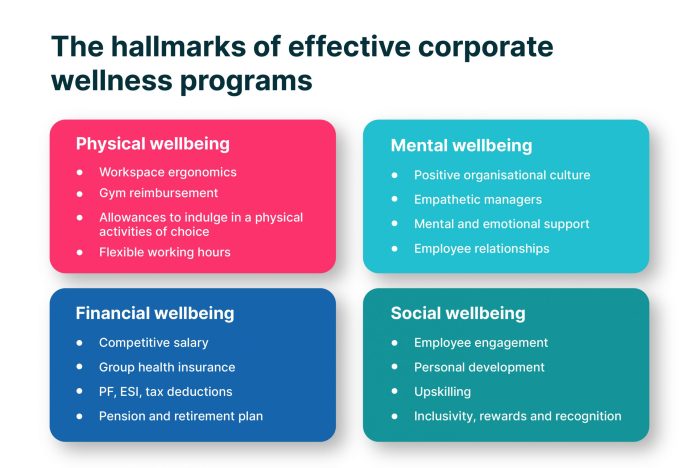
Customized wellness programs for organizations play a crucial role in improving employee health and morale. These programs are designed to address the specific needs of employees, promoting a healthier lifestyle and creating a positive work environment.
Benefits of Tailored Wellness Programs
- Increased employee productivity and engagement.
- Reduced absenteeism and healthcare costs for the organization.
- Improved employee morale and job satisfaction.
- Promotion of a healthy work-life balance.
Addressing Specific Workplace Needs
Customized wellness programs can cater to the unique needs and goals of different workplaces. Whether it’s promoting physical activity, healthy eating habits, stress management, or mental health support, these programs can be tailored to meet the specific requirements of each organization.
Success Stories of Effective Wellness Programs
- Company XYZ implemented a wellness program that included bi-weekly yoga sessions and healthy cooking classes, resulting in a 20% decrease in employee stress levels.
- Organization ABC introduced a step challenge for employees, leading to a 15% increase in overall physical activity levels and a noticeable improvement in team collaboration.
Physical Therapy
Physical therapy plays a crucial role in promoting injury prevention and rehabilitation in the workplace. By focusing on improving mobility, strength, and flexibility, physical therapy helps employees maintain a healthy musculoskeletal system, reducing the risk of workplace injuries.
Moreover, physical therapy can significantly contribute to enhancing overall employee well-being and performance. Through personalized exercise programs and manual techniques, physical therapists can address specific musculoskeletal issues, alleviate pain, and improve functional movement. This, in turn, leads to increased productivity, reduced absenteeism, and a higher quality of work life for employees.
Physical Therapy Exercises for Workplace Wellness Programs
- Desk Stretches: Simple stretches that can be done at the workstation to relieve tension in the neck, shoulders, and back.
- Chair Yoga: Gentle yoga poses that can be performed while seated to improve posture, increase flexibility, and reduce stress.
- Resistance Band Exercises: Utilizing resistance bands to strengthen muscles, improve range of motion, and prevent injuries.
- Balance Training: Exercises to enhance stability and coordination, reducing the risk of falls and injuries in the workplace.
- Ergonomic Assessments: Evaluating workstations and providing recommendations to optimize posture and prevent repetitive strain injuries.
Health Coaching
Health coaching plays a crucial role in helping employees set and achieve their health and fitness goals by providing personalized guidance and support.
Impact of Health Coaching
- Health coaches assist individuals in creating realistic and achievable goals.
- They provide motivation and accountability to help employees stay on track.
- Health coaching can lead to long-term behavior change and improved overall well-being.
Role of Health Coaches
- Health coaches offer one-on-one support to address specific health concerns and goals.
- They educate individuals on nutrition, exercise, stress management, and other wellness practices.
- Health coaches tailor their approach to meet the unique needs of each individual.
Integrating Health Coaching
- Organizations can partner with health coaching services to provide employees with access to professional guidance.
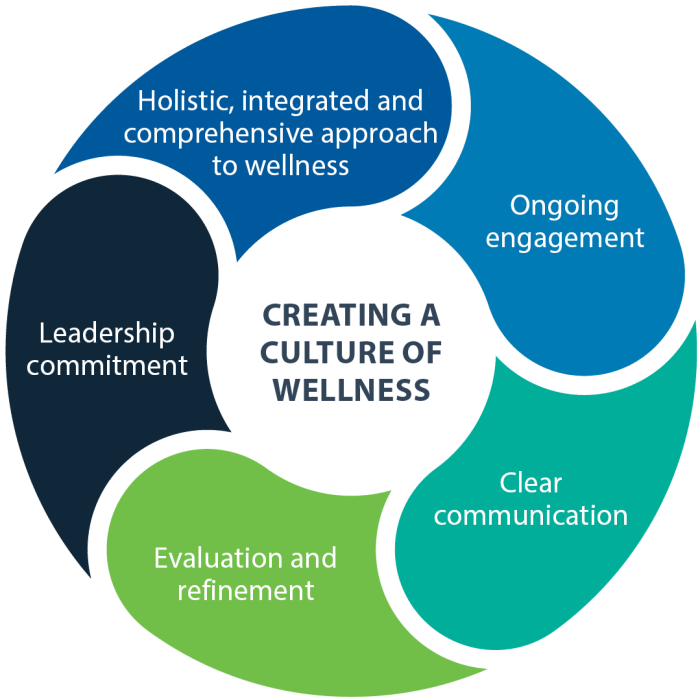
- Offer health coaching as part of a comprehensive wellness program to enhance employee engagement and participation.
- Provide resources and incentives to encourage employees to take advantage of health coaching services.
Medical Advancements
In recent years, medical advancements have played a crucial role in shaping innovative wellness programs for organizations. These breakthroughs have not only revolutionized healthcare delivery but have also paved the way for more effective employee health management strategies.
Role of Technology in Healthcare Delivery
Technology has significantly enhanced healthcare delivery and monitoring in workplace wellness initiatives. From wearable devices that track vital signs to telemedicine platforms that provide virtual consultations, technology has made healthcare more accessible and efficient for employees. Employers can now leverage these technological advancements to offer personalized wellness programs that cater to the specific needs of their workforce.
Specific Medical Advancements in Employee Health Management
– The development of genetic testing and personalized medicine has allowed for targeted interventions based on an individual’s unique genetic makeup. This has led to more precise treatment plans and preventive measures for employees.
– Advancements in telehealth services have made it easier for employees to access medical care remotely, reducing barriers to healthcare and promoting early intervention.
– Wearable health technology, such as fitness trackers and smartwatches, has enabled employees to monitor their health in real-time and make informed decisions about their well-being.
– The use of artificial intelligence and machine learning algorithms has improved the accuracy of health risk assessments and predictive analytics, enabling employers to proactively address potential health issues among their employees.
Fitness Goals
Setting realistic fitness goals is crucial for employees participating in customized wellness programs. It provides a clear direction for individuals to work towards, helping them stay motivated and focused on their health and well-being. By establishing achievable goals, employees can track their progress, celebrate achievements, and make sustainable lifestyle changes.
Importance of Setting Realistic Fitness Goals
- Setting realistic fitness goals ensures that employees do not feel overwhelmed or discouraged, increasing their chances of success.
- Goals help individuals prioritize their health and fitness, leading to improved overall well-being and productivity in the workplace.
- Having specific goals allows employees to measure their progress, make adjustments as needed, and maintain long-term commitment to their health journey.
Tracking Fitness Goals for Motivation
- Regularly monitoring fitness goals provides employees with tangible evidence of their progress, boosting their confidence and motivation to continue striving towards their objectives.
- Tracking allows individuals to identify patterns, strengths, and areas for improvement, enabling them to make informed decisions and adjustments to their wellness routine.
- Visualizing progress through data and feedback can inspire individuals to push themselves further and set higher goals, leading to continuous growth and development.
Strategies for Organizations to Support Employees in Achieving Fitness Goals
- Provide access to fitness resources, such as workout facilities, classes, or online platforms, to make it convenient for employees to engage in physical activity.
- Offer incentives or rewards for reaching fitness milestones, fostering a culture of healthy competition and motivation among employees.
- Encourage team-based challenges or group activities to create a sense of community and support system for employees pursuing their fitness goals together.
Balanced Nutrition
Maintaining a balanced nutrition is crucial for both physical health and mental well-being. It plays a significant role in supporting optimal health and productivity in the workplace. When employees are nourished with the right nutrients, they are more likely to stay focused, energized, and perform at their best.
Examples of Well-Rounded Meal Plans
- Breakfast: Whole grain toast with avocado and poached eggs, Greek yogurt with mixed berries
- Lunch: Grilled chicken salad with quinoa, mixed greens, and a variety of colorful vegetables
- Snacks: Mixed nuts, fresh fruit, hummus with veggie sticks
- Dinner: Baked salmon with sweet potato and steamed broccoli
Tips for Promoting Balanced Nutrition in Organizations
- Offer healthy food options in the workplace cafeteria or vending machines
- Provide nutrition education workshops or seminars for employees
- Encourage employees to meal prep and bring nutritious lunches from home
- Incorporate healthy eating challenges or competitions to motivate employees
- Partner with local nutritionists or dietitians to provide personalized nutrition plans for employees
Mental Strength
Building mental strength is crucial for overall well-being in the workplace. It involves developing resilience, coping mechanisms, and emotional intelligence to navigate stress and challenges effectively. Employees with strong mental strength are better equipped to handle pressure, setbacks, and demanding situations, leading to improved performance and productivity.
Building Resilience
- Practice mindfulness and meditation to stay present and focused.
- Engage in regular physical exercise to reduce stress and boost mood.
- Develop healthy coping mechanisms such as deep breathing or taking short breaks.
- Seek social support from colleagues, friends, or mental health professionals when needed.
Managing Stress and Challenges
- Set realistic goals and priorities to avoid feeling overwhelmed.
- Use time management techniques to effectively manage workloads and deadlines.
- Take regular breaks and practice relaxation techniques to recharge and destress.
- Utilize Employee Assistance Programs (EAPs) or mental health resources provided by the organization.
Enhancing Emotional Well-being
- Engage in hobbies or activities that bring joy and relaxation outside of work.
- Practice gratitude and positive thinking to shift focus from challenges to opportunities.
- Attend workshops or training sessions on emotional intelligence and self-care.
- Utilize mental health apps or online resources for guided meditation and stress management tools.
Yoga Practice: Customized Wellness Programs For Organizations
Incorporating yoga practice into workplace wellness programs can have numerous benefits for employees. Not only does it promote physical health, but it also enhances mental well-being, which can lead to increased productivity and overall job satisfaction.
Yoga is known for its ability to improve flexibility, reduce stress, and enhance mindfulness among practitioners. By incorporating yoga into the workday, employees can experience a sense of relaxation and rejuvenation, helping them to better cope with the demands of their job.
Benefits of Yoga in the Workplace, Customized wellness programs for organizations
- Improved Flexibility: Regular yoga practice can help employees improve their flexibility, reducing the risk of injuries and promoting better posture.
- Stress Reduction: Engaging in yoga poses and breathing techniques can help employees reduce stress levels, leading to a calmer and more focused mindset.
- Enhanced Mindfulness: Practicing yoga encourages employees to be present in the moment, promoting mental clarity and emotional well-being.
Simple Yoga Poses for the Workplace
- Chair Yoga: Seated twists, forward bends, and side stretches can easily be done at the desk to release tension in the back and shoulders.
- Standing Forward Fold: This pose can be done by standing up and folding forward, allowing employees to stretch their hamstrings and release tension in the spine.
- Deep Breathing: Encouraging employees to take a few moments for deep breathing exercises can help calm the mind and reduce stress during the workday.
Health Education
Health education plays a crucial role in empowering employees to make informed decisions about their well-being. By providing ongoing education, organizations can help their staff understand the importance of leading a healthy lifestyle and taking proactive steps to improve their overall health.
Effective Delivery of Health Education Programs
- Utilize various communication channels such as workshops, seminars, webinars, and newsletters to reach a wide audience within the organization.
- Collaborate with health professionals and experts to provide accurate and up-to-date information on a range of health topics.
- Implement interactive and engaging activities to make the learning process enjoyable and memorable for employees.
- Offer personalized health education sessions tailored to the specific needs and interests of different employee groups.
Engaging Health Education Initiatives
- Implementing a workplace wellness challenge that focuses on educating employees about the benefits of regular physical activity and healthy eating habits.
- Organizing health fairs where employees can learn about various health topics, participate in screenings, and engage with local health resources.
- Introducing a monthly health newsletter that covers a wide range of health-related articles, tips, and resources to keep employees informed and motivated.
- Providing access to online health education platforms that offer interactive courses and resources on topics such as stress management, nutrition, and mental health.
Weight Management
Weight management plays a crucial role in promoting overall health and reducing the risk of chronic diseases. Maintaining a healthy weight can help prevent conditions such as heart disease, diabetes, and high blood pressure, among others.
Strategies for Supporting Healthy Weight Goals
- Offering nutritious meal options in the workplace cafeteria or vending machines.
- Providing access to nutritionists or dietitians for personalized guidance.
- Organizing group fitness activities or challenges to encourage physical activity.
- Implementing standing desks or walking meetings to reduce sedentary behavior.
Creating a Supportive Environment for Weight Management
- Encouraging a culture of health and wellness through leadership support and role modeling.
- Offering incentives or rewards for achieving weight loss milestones.
- Providing educational resources on healthy eating habits and portion control.
- Establishing peer support groups or buddy systems for accountability and motivation.
Health Checkups
Regular health checkups are a crucial aspect of preventive healthcare for employees. These checkups play a vital role in identifying any potential health issues early on, allowing for timely interventions and treatment.
Significance of Regular Health Checkups
- Regular health checkups help in monitoring overall health and detecting any underlying conditions before they escalate.
- Early detection through health checkups can lead to prompt treatment, preventing more serious health issues.
- Health checkups can also promote a healthier lifestyle by providing individuals with personalized health recommendations.
Best Practices for Organizations
- Offer incentives such as paid time off or rewards for employees who undergo regular health checkups.
- Organize on-site health screening events to make it convenient for employees to get checked regularly.
- Provide education and awareness sessions on the importance of health checkups and how they can benefit employees.
Skin Health
Skin health plays a crucial role in overall well-being and confidence, especially in the workplace where employees are constantly interacting with others. Maintaining healthy skin not only enhances physical appearance but also contributes to a positive self-image and boosts morale.
Skincare Tips and Practices
- Stay hydrated by drinking plenty of water throughout the day to keep your skin hydrated and supple.
- Use sunscreen daily to protect your skin from harmful UV rays and prevent premature aging.
- Cleanse your skin regularly to remove dirt, oil, and impurities that can clog pores and lead to breakouts.
- Moisturize your skin to maintain its elasticity and prevent dryness, especially in dry or cold climates.
- Eat a balanced diet rich in fruits, vegetables, and healthy fats to nourish your skin from the inside out.
Environmental Factors and Skin Health
- Avoid prolonged exposure to the sun, as UV rays can damage the skin and increase the risk of skin cancer.
- Protect your skin from harsh weather conditions by wearing appropriate clothing and using moisturizers to prevent dryness.
- Reduce exposure to pollutants and toxins in the environment by using natural skincare products and maintaining a clean living and working environment.
- Manage stress levels effectively, as stress can exacerbate skin conditions such as acne, eczema, and psoriasis.
Emotional Health
Emotional health is a crucial aspect of overall well-being that should not be overlooked in comprehensive wellness programs for organizations. It encompasses the ability to manage and express emotions in a healthy way, cope with stress, build positive relationships, and maintain a sense of well-being.
Addressing emotional health within the workplace can have a significant impact on employee performance, engagement, and satisfaction. When employees feel emotionally supported and are equipped with the tools to manage their emotions effectively, they are more likely to be productive, motivated, and engaged in their work. This, in turn, can lead to improved job satisfaction, reduced absenteeism, and enhanced overall well-being.
Strategies for Promoting Emotional Health
Creating a supportive work culture that prioritizes emotional health can foster a positive environment where employees feel valued and supported. Some strategies to promote emotional health in the workplace include:
- Encouraging open communication and providing channels for employees to express their feelings and concerns.
- Offering mental health resources and support, such as counseling services or employee assistance programs.
- Providing training on stress management, resilience, and emotional intelligence to help employees develop coping skills.
- Promoting work-life balance and encouraging self-care practices, such as mindfulness and relaxation techniques.
- Recognizing and celebrating achievements to boost morale and create a positive work environment.
Health Motivation
Maintaining healthy behaviors and lifestyle changes can be challenging, but motivation plays a crucial role in helping employees stay on track. When employees are motivated to prioritize their health, they are more likely to engage in wellness programs and make positive choices for their well-being.
Techniques for Boosting Health Motivation
- Set Clear Goals: Encourage employees to establish specific and achievable health goals to work towards.
- Provide Support: Offer resources such as health coaching and counseling to help employees stay motivated.
- Celebrate Milestones: Recognize and celebrate the progress made by employees in their health journey.
- Encourage Accountability: Create a supportive environment where employees feel accountable for their health choices.
Incentives and Rewards for Health Motivation
- Financial Incentives: Offer monetary rewards or discounts on health insurance premiums for meeting health goals.
- Gift Cards or Prizes: Provide gift cards, fitness gear, or other incentives for participation in wellness activities.
- Extra Time Off: Reward employees with additional time off for engaging in health-promoting behaviors.
- Wellness Challenges: Organize friendly competitions with rewards for achieving health-related milestones.
Physical Activities
Regular physical activities play a crucial role in improving the health and productivity of employees. By incorporating physical activities into daily routines, individuals can enhance their overall well-being and lead a more active lifestyle.
Benefits of Physical Activities
- Improved cardiovascular health
- Enhanced mental clarity and focus
- Increased energy levels
- Boosted immune system
- Reduced stress and anxiety
Promoting Physical Activities in the Workplace
- Organize group fitness classes or challenges
- Encourage walking meetings or breaks
- Provide standing desks or ergonomic workstations
- Create a designated area for stretching or yoga sessions
- Incorporate physical activity trackers or wellness apps
Health Awareness
Raising health awareness among employees is crucial in creating a culture of well-being within organizations. By increasing health literacy and promoting proactive health management, employees can make informed decisions about their health and well-being.
Initiatives to Enhance Health Awareness
- Organizing health education workshops to provide information on various health topics such as nutrition, exercise, and mental health.
- Implementing regular health checkups and screenings to encourage early detection of health issues.
- Promoting healthy lifestyle habits through workplace challenges and competitions focused on fitness goals and balanced nutrition.
- Offering access to resources such as online health portals, apps, and newsletters to keep employees informed about the latest health trends and advancements.
- Encouraging open communication about health concerns and providing access to health coaching services for personalized support.
Preventive Medicine
Preventive medicine plays a crucial role in reducing healthcare costs and improving employee health outcomes. By focusing on proactive measures to prevent diseases and promote overall wellness, organizations can not only save on medical expenses but also enhance the well-being of their workforce.
Significance of Preventive Screenings
Preventive screenings, such as regular health check-ups and screenings for conditions like high blood pressure or cholesterol, are essential in catching potential health issues early. Early detection can lead to timely intervention and treatment, ultimately preventing the progression of diseases and reducing healthcare costs in the long run.
Importance of Vaccinations
Vaccinations are a key aspect of preventive medicine, helping to protect individuals from infectious diseases. By encouraging employees to stay up to date on vaccinations, organizations can create a healthier and safer work environment, reducing the risk of outbreaks and absenteeism due to illness.
Role of Lifestyle Modifications
Lifestyle modifications, such as promoting regular exercise, healthy eating habits, stress management, and smoking cessation programs, can significantly impact employee health. By incorporating these changes into wellness programs, organizations can empower their employees to make positive lifestyle choices that contribute to overall well-being and disease prevention.
Tips for Prioritizing Preventive Medicine
- Offer incentives for employees to participate in preventive screenings and vaccinations.
- Provide education on the importance of preventive care and empower employees to take charge of their health.
- Integrate preventive medicine initiatives into existing wellness programs to ensure comprehensive health promotion.
- Collaborate with healthcare providers to offer on-site screenings and vaccinations for convenience and accessibility.
Nutritional Counseling
Nutritional counseling plays a crucial role in helping employees make informed dietary choices and achieve their health goals. By offering personalized guidance and support, organizations can empower individuals to make sustainable lifestyle changes for improved overall well-being.
Benefits of Nutritional Counseling
- Provides tailored nutrition plans based on individual needs and goals.
- Educates employees on the importance of balanced nutrition for overall health.
- Helps manage chronic conditions such as diabetes, hypertension, and obesity through diet.
- Promotes long-term weight management and healthy eating habits.
Integrating Nutritional Counseling in Wellness Programs
- Collaborate with registered dietitians or nutritionists to provide expert guidance.
- Incorporate nutritional workshops, cooking classes, or meal planning sessions into wellness initiatives.
- Offer one-on-one counseling sessions or group discussions to address specific dietary concerns.
- Utilize technology such as nutrition apps or online resources for easy access to information and tracking progress.
Healthy Mind
Maintaining a healthy mind is essential for overall well-being and optimal performance, especially in the workplace where mental health plays a significant role in productivity and job satisfaction.
When employees have a healthy mind, they are better equipped to handle stress, make sound decisions, and collaborate effectively with colleagues. Nurturing mental well-being can lead to reduced absenteeism, improved focus, and increased creativity.
Mindfulness Practices and Stress Management
- Encourage employees to practice mindfulness through meditation or breathing exercises to reduce stress and improve focus.
- Provide stress management resources such as counseling services or workshops to help employees cope with work-related pressures.
- Promote work-life balance by setting boundaries and encouraging time off to recharge and prevent burnout.
Creating a Supportive Work Environment
- Establish open communication channels for employees to express their concerns and seek assistance when needed.
- Offer training on mental health awareness and provide access to mental health resources within the workplace.
- Implement flexible work arrangements to accommodate individual needs and promote a healthy work-life harmony.
Q&A
How can customized wellness programs benefit organizations?
Customized wellness programs can enhance employee morale, reduce absenteeism, and improve overall productivity by promoting a healthy work environment.
What are some examples of wellness initiatives that can be included in customized programs?
Examples include health coaching, physical therapy exercises, mental health resources, and nutrition counseling tailored to meet the specific needs of employees.
How can organizations measure the success of their customized wellness programs?
Success can be measured through employee feedback, participation rates in wellness activities, health metrics improvement, and overall workplace satisfaction surveys.
Are customized wellness programs cost-effective for organizations?
While there may be initial investments, the long-term benefits of reduced healthcare costs, increased employee retention, and improved morale outweigh the costs.