Benefits of Health Coaching for Weight Loss
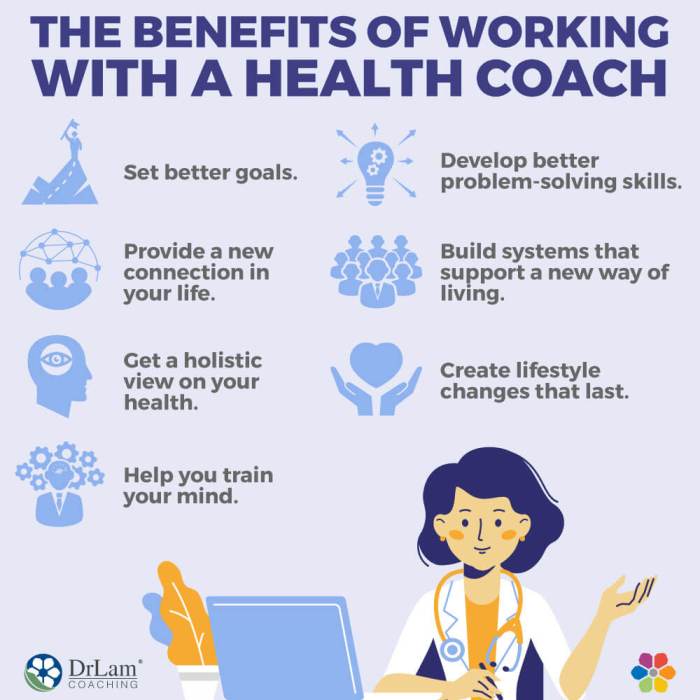
Health coaching can be a valuable tool for individuals looking to achieve their weight loss goals. By providing personalized strategies, accountability, and support, health coaches can help clients stay motivated and committed to their weight loss plans.
Personalized Strategies in Health Coaching
- Creating customized meal plans tailored to individual dietary preferences and needs.
- Designing personalized exercise routines based on fitness levels and goals.
- Implementing behavior modification techniques to address emotional eating triggers.
- Setting achievable short-term and long-term goals to track progress effectively.
Importance of Accountability and Support
- Regular check-ins with a health coach help clients stay on track and accountable for their actions.
- Having a support system in place can provide encouragement and motivation during challenging times.
- Accountability fosters a sense of responsibility and commitment to making lasting lifestyle changes.
Improving Motivation and Adherence
- Health coaching helps individuals uncover their intrinsic motivation for weight loss.
- Coaches provide ongoing support and encouragement to help clients stay motivated throughout their journey.
- By addressing barriers and setbacks, health coaching enhances adherence to weight loss plans.
Healthy Snacks
When it comes to weight loss and overall health, choosing nutritious snacks is essential. Snacking can either support your weight management goals or hinder them, depending on the choices you make. Here are some tips and options to help you snack wisely and promote wellness.
Nutritious Snack Options
- Fresh fruits like apples, berries, and oranges
- Vegetable sticks with hummus or guacamole
- Greek yogurt with nuts and seeds
- Air-popped popcorn sprinkled with nutritional yeast
- Rice cakes with almond butter and banana slices
Tips for Choosing Snacks
- Avoid processed snacks high in added sugars and unhealthy fats
- Opt for whole foods with fiber and protein to keep you full longer
- Read labels and choose snacks with minimal ingredients and no artificial additives
- Plan ahead and have healthy snacks readily available to avoid reaching for unhealthy options
Portion Control
When consuming snacks for weight loss, portion control is crucial. Even healthy snacks can contribute to weight gain if eaten in excess. Be mindful of serving sizes and listen to your body’s hunger cues to avoid overeating.
Quick and Easy Snack Recipes
- Apple slices with almond butter and a sprinkle of cinnamon
- Cottage cheese with sliced strawberries and a drizzle of honey
- Rice cake topped with mashed avocado, cherry tomatoes, and a dash of sea salt
- Trail mix with mixed nuts, seeds, and a touch of dark chocolate chips
- Greek yogurt parfait with granola, fresh berries, and a drizzle of honey
Wellness Programs
Benefits of health coaching for weight loss – Wellness programs play a crucial role in supporting weight loss efforts by addressing various aspects of an individual’s health and lifestyle.
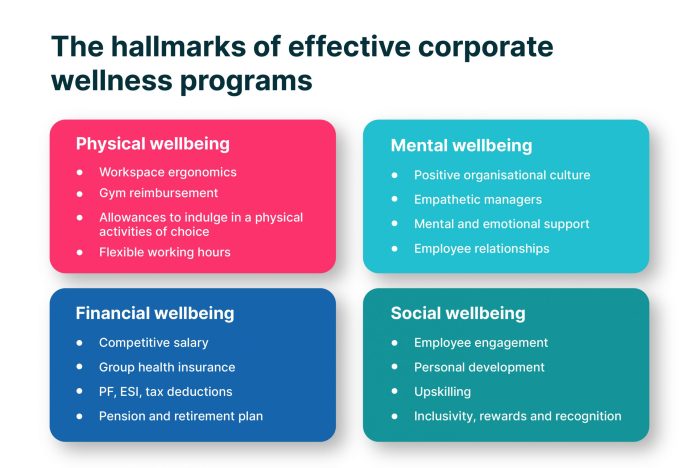
Components of a Comprehensive Wellness Program
- Nutrition: Providing personalized meal plans, nutritional guidance, and education on making healthy food choices.
- Exercise: Designing workout routines tailored to individual needs and goals, along with guidance on proper form and techniques.
- Mental Health: Offering support for stress management, coping strategies, and behavior modification to promote a positive mindset.
Benefits of Combining Nutrition, Exercise, and Mental Health in Wellness Programs
- Synergy: Integrating these components leads to better overall results than focusing on one aspect alone.
- Long-Term Success: Building sustainable habits across nutrition, exercise, and mental health increases the likelihood of maintaining weight loss.
- Holistic Approach: Addressing the whole person promotes overall well-being and reduces the risk of relapse.
How Wellness Programs Support Long-Term Health
- Education: Empowering individuals with knowledge and skills to make informed choices about their health.
- Accountability: Providing ongoing support, motivation, and guidance to help individuals stay on track with their goals.
- Lifestyle Changes: Encouraging sustainable changes that become ingrained habits for a healthier life.
Examples of Successful Wellness Programs for Weight Management, Benefits of health coaching for weight loss
- Weight Watchers: Known for its holistic approach to weight loss, combining nutrition, exercise, and support groups.
- Noom: Utilizes a combination of technology, psychology, and coaching to promote lasting behavior change.
- Mayo Clinic Diet: Focuses on sustainable lifestyle changes for long-term weight management success.
Physical Therapy
Physical therapy plays a crucial role in supporting weight loss goals by improving mobility, strength, and overall fitness. Integrating physical therapy with other weight loss strategies can enhance the effectiveness of a weight management plan.
Benefits of Physical Therapy for Weight Loss
- Improves Mobility: Physical therapy helps individuals increase their range of motion and flexibility, making it easier to engage in physical activities and exercise routines.
- Builds Strength: Through targeted exercises and techniques, physical therapy can help individuals build muscle strength, which is essential for boosting metabolism and burning calories.
- Enhances Fitness Levels: Physical therapy programs are designed to improve cardiovascular endurance and overall fitness levels, supporting weight loss efforts and promoting a healthier lifestyle.
Examples of Physical Therapy Exercises for Weight Management
- Strength Training: Resistance exercises using weights, bands, or body weight can help build muscle mass and increase metabolism.
- Aerobic Conditioning: Activities like walking, cycling, or swimming can improve cardiovascular health and aid in weight loss.
- Balance and Stability Exercises: Core strengthening exercises and balance training can prevent injuries and support functional movements for weight management.
Importance of Integrating Physical Therapy with Other Weight Loss Strategies
Physical therapy complements other weight loss strategies by addressing underlying physical limitations, injuries, or chronic conditions that may hinder progress. By incorporating physical therapy into a comprehensive weight management plan, individuals can achieve long-term success in reaching their health and fitness goals.
Medical Advancements
Recent advancements in medical treatments for weight loss have revolutionized the way we approach management of obesity. These innovative approaches have significantly improved outcomes for patients struggling with weight-related issues.
Technology in Weight Loss Interventions
Technology is now playing a crucial role in enhancing weight loss interventions. From the use of wearable devices to track physical activity and calorie intake to the development of mobile apps for personalized diet plans, technology is making weight loss more accessible and effective for individuals.
Surgical and Non-Surgical Options
- One of the most common surgical options for weight loss is bariatric surgery, which includes procedures like gastric bypass and sleeve gastrectomy. These surgeries help patients achieve significant weight loss by altering the digestive system.
- Non-surgical options for managing weight include medications, meal replacements, and lifestyle modifications. These approaches are tailored to individual needs and can be effective in helping patients achieve their weight loss goals.
Innovative Approaches in Medical Advancements
One innovative approach in weight loss is the use of endoscopic techniques to reduce stomach volume without surgery, offering a less invasive option for patients.
Another example is the development of prescription digital therapeutics that provide personalized coaching and support for individuals looking to lose weight.
Fitness Goals
Setting realistic and achievable fitness goals is crucial for successful weight loss. It helps individuals stay focused, motivated, and on track towards improving their overall health and well-being.
Incorporating Cardio and Strength Training
When aiming to lose weight, it’s essential to incorporate both cardio and strength training into your fitness routine. Cardio exercises like running, cycling, or swimming help burn calories and improve cardiovascular health. On the other hand, strength training, such as weightlifting or bodyweight exercises, helps build muscle mass, increase metabolism, and enhance overall strength.
- Cardio exercises should be done at least 3-4 times a week for optimal results.
- Strength training sessions should focus on different muscle groups and be done 2-3 times a week.
- Combining both types of exercises can help individuals achieve a balanced and effective fitness routine for weight loss.
Tracking Progress for Motivation
Tracking progress is essential to monitor improvements, stay motivated, and make necessary adjustments to fitness goals. Whether it’s through a fitness app, journaling, or regular measurements, keeping track of workouts, nutrition, and weight loss can provide valuable insights into what is working and what needs to be changed.
Consistent tracking allows individuals to celebrate small victories and stay committed to their fitness journey.
Fitness Challenges for Weight Loss
Participating in fitness challenges can add an element of fun, competition, and accountability to weight loss efforts. These challenges can range from daily step goals, workout challenges, or group fitness classes that encourage camaraderie and support among participants.
- 30-day squat challenge to strengthen lower body muscles and improve overall endurance.
- Weekly meal prep challenge to promote healthy eating habits and avoid impulsive food choices.
- Virtual race challenge to increase cardio endurance and set a specific fitness goal to work towards.
Balanced Nutrition
When it comes to achieving weight loss and overall health, balanced nutrition plays a crucial role in providing our bodies with the necessary nutrients to function optimally. By incorporating a variety of food groups into our diets, we can ensure that we are meeting our nutritional needs while working towards our weight loss goals.
Importance of Including a Variety of Food Groups
It is essential to include a variety of food groups in a balanced diet to ensure that we are getting all the essential nutrients our bodies need. Each food group provides different vitamins, minerals, and macronutrients that are essential for our overall health and well-being.
- Fruits and Vegetables: Rich in vitamins, minerals, and antioxidants that support our immune system and overall health.
- Protein Sources: Necessary for muscle repair and growth, as well as keeping us feeling full and satisfied.
- Whole Grains: Good sources of fiber and energy, helping to regulate blood sugar levels and promote satiety.
- Dairy or Dairy Alternatives: Provide calcium and vitamin D for strong bones and teeth.
Tips for Meal Planning and Portion Control
Effective weight management involves not only choosing the right foods but also paying attention to portion sizes. Here are some tips for meal planning and portion control:
- Plan your meals ahead of time to ensure you have nutritious options readily available.
- Use smaller plates to help control portion sizes and prevent overeating.
- Fill half your plate with vegetables, a quarter with lean protein, and a quarter with whole grains for a balanced meal.
Examples of Balanced Meal Ideas
Here are some examples of balanced meal ideas that can help individuals working towards weight loss goals:
| Meal | Components |
|---|---|
| Grilled Chicken Salad | Grilled chicken breast, mixed greens, cherry tomatoes, cucumbers, avocado, and a light vinaigrette dressing. |
| Quinoa Stir-Fry | Quinoa, stir-fried vegetables (bell peppers, broccoli, carrots), tofu or shrimp, and a soy ginger sauce. |
| Salmon with Roasted Sweet Potatoes | Baked salmon fillet, roasted sweet potatoes, steamed asparagus, and a squeeze of lemon. |
Mental Strength
Maintaining mental strength is crucial for achieving success in weight loss journey. It plays a significant role in overcoming challenges, staying motivated, and making sustainable lifestyle changes. Developing resilience and a positive mindset can help individuals navigate through setbacks and obstacles that may arise during the process.
Strategies for Developing Mental Resilience
- Practice positive self-talk and affirmations to boost confidence and motivation.
- Set realistic goals and celebrate small victories along the way to stay encouraged.
- Engage in stress-reducing activities such as meditation, deep breathing exercises, or yoga to manage emotional triggers.
- Seek support from friends, family, or a health coach to stay accountable and motivated.
Connection Between Mindset, Stress, and Weight Management
Our mindset and stress levels can greatly impact our eating habits, physical activity, and overall weight management. High levels of stress can lead to emotional eating, poor food choices, and lack of motivation to exercise. By practicing mindfulness and stress-reducing techniques, individuals can better manage their weight and make healthier choices.
Mindfulness Practices for Supporting Mental Strength
- Practice mindful eating by savoring each bite, chewing slowly, and being present during meals to avoid overeating.
- Engage in daily meditation or relaxation exercises to reduce stress levels and improve mental clarity.
- Keep a gratitude journal to focus on positive aspects of life and enhance overall well-being.
- Stay present in the moment and practice deep breathing techniques to manage stress and anxiety effectively.
Yoga Practice: Benefits Of Health Coaching For Weight Loss
Yoga can be a valuable addition to weight loss efforts due to its dual focus on physical activity and stress reduction. Not only does yoga help in burning calories and improving metabolism through various poses and sequences, but it also promotes mental well-being, which is crucial for maintaining a healthy lifestyle.
Benefits of Different Yoga Styles
Different yoga styles offer unique benefits for individuals looking to improve flexibility, strength, and mental well-being. For example, Hatha yoga focuses on basic poses and breathing techniques, while Vinyasa yoga emphasizes flow and movement. Bikram yoga, on the other hand, involves practicing yoga in a heated room to promote detoxification and flexibility.
Yoga Poses for Core Strength and Metabolism
– Plank Pose: Strengthens the core muscles and improves metabolism by engaging multiple muscle groups.
– Boat Pose: Targets the abdominal muscles and helps in boosting metabolism by promoting digestion.
– Warrior III Pose: Enhances balance and core strength, which are essential for overall stability and metabolism.
Yoga Sequences for Weight Loss
- Sun Salutations: A dynamic sequence that combines multiple yoga poses to improve circulation, flexibility, and metabolism.
- Twisting Poses: Poses like Seated Spinal Twist and Revolved Chair Pose help in detoxifying the body and improving digestion, leading to weight loss.
- Standing Poses: Poses like Tree Pose and Warrior II Pose not only enhance strength and balance but also stimulate metabolism and calorie burn.
Health Education
Health education plays a crucial role in empowering individuals to make informed decisions about weight loss. By providing essential knowledge and guidance, individuals can develop the necessary skills and understanding to achieve sustainable results in their weight management journey.
Key Concepts for Sustainable Weight Management
- Nutrition: Understanding the importance of balanced meals, portion control, and nutrient-dense foods can help individuals make healthier choices and maintain a healthy weight.
- Exercise: Educating individuals on the benefits of regular physical activity, different types of exercises, and the importance of staying active can support weight loss efforts.
- Lifestyle Modifications: Teaching individuals about healthy habits, stress management techniques, and sleep hygiene can contribute to overall well-being and weight management.
Resources for Enhanced Health Education
- Online Platforms: Websites, blogs, and apps that provide reliable information on nutrition, fitness, and overall health can be valuable resources for individuals seeking to lose weight.
- Health Coaching Programs: Enrolling in health coaching programs that offer personalized guidance, support, and education can help individuals navigate their weight loss journey effectively.
- Community Workshops: Participating in community workshops or seminars focused on health education and weight management can provide individuals with practical tips and strategies for success.
Successful Health Education Programs
- Weight Watchers: A popular program that combines support, education, and accountability to help individuals achieve their weight loss goals through healthy eating and lifestyle changes.
- National Institute of Health: Offers evidence-based resources, tools, and educational materials on weight management, nutrition, and physical activity to promote overall wellness.
- Local Health Clinics: Many health clinics offer educational programs, workshops, and counseling services to support individuals in making informed choices for weight loss and improved health.
Weight Management
Maintaining a healthy weight is crucial for overall well-being. Let’s delve into the nuances of weight management to understand how it differs from weight loss and how to sustain long-term success.
Difference Between Weight Loss and Weight Management
Weight loss focuses on shedding excess pounds, while weight management encompasses maintaining a healthy weight once the desired goal is achieved. It involves adopting sustainable lifestyle changes to prevent weight regain.
Strategies for Maintaining Weight Loss Results
- Regular Exercise: Incorporating physical activity into your routine helps burn calories and maintain muscle mass.
- Healthy Eating Habits: Opt for nutrient-dense foods, control portion sizes, and practice mindful eating to avoid overindulging.
- Consistent Monitoring: Keep track of your weight, food intake, and physical activity to stay accountable and make adjustments as needed.
Tips for Overcoming Weight Loss Plateaus and Setbacks
- Change Up Your Routine: Try new exercises or modify your diet to challenge your body and break through plateaus.
- Seek Support: Enlist the help of a health coach, nutritionist, or therapist to navigate challenges and stay motivated.
- Stay Positive: Focus on progress rather than perfection, and celebrate small victories along the way.
Habits and Behaviors for Successful Weight Management
- Consistency: Stick to your healthy habits even after reaching your goal weight to maintain your results.
- Self-Care: Prioritize sleep, stress management, and mental health to support overall well-being and weight maintenance.
- Lifelong Learning: Stay informed about nutrition, fitness, and wellness to continue making informed choices for your health.
Health Checkups
Regular health checkups play a crucial role in monitoring progress towards weight loss goals. These checkups help individuals stay informed about their overall health status and make necessary adjustments to their weight loss plans.
Importance of Health Screenings
Health screenings and assessments are essential in identifying risk factors related to weight management. By conducting these screenings, healthcare professionals can pinpoint any underlying health issues that may be hindering weight loss progress. This information allows for personalized interventions and treatment plans to be implemented.
- Regular blood pressure checks can help monitor cardiovascular health and detect any hypertension issues.
- Cholesterol levels should be monitored to assess heart health and the risk of developing cardiovascular diseases.
- Blood sugar tests are crucial in managing diabetes and understanding how blood glucose levels may impact weight loss efforts.
- Body composition analysis can provide insights into muscle mass, fat percentage, and overall metabolic health.
Role of Healthcare Professionals
Healthcare professionals, such as doctors, nutritionists, and fitness trainers, play a vital role in supporting individuals through their weight loss journeys. These experts can offer guidance, monitor progress, and provide motivation to help individuals stay on track with their goals.
- Doctors can conduct physical exams and order necessary tests to assess overall health and address any medical concerns.
- Nutritionists can create personalized meal plans to support weight loss efforts and ensure individuals are getting the necessary nutrients for optimal health.
- Fitness trainers can design exercise routines tailored to individual needs and goals, helping individuals improve their physical fitness and achieve weight loss targets.
Key Health Indicators to Monitor
Monitoring key health indicators is essential during weight loss efforts to ensure progress is on track and to address any potential health risks that may arise. By tracking these indicators, individuals can make informed decisions about their lifestyle choices and adjust their weight loss strategies accordingly.
- Body weight and BMI (Body Mass Index) can provide insights into overall progress and help set realistic weight loss goals.
- Waist circumference measurements can indicate abdominal fat distribution and the risk of developing metabolic disorders.
- Blood tests for thyroid function can help identify any hormonal imbalances that may affect metabolism and weight management.
- Bone density scans can assess skeletal health and detect any issues related to bone strength and density.
Skin Health
Skin health is a crucial aspect affected by weight loss, as changes in body composition can impact the appearance and elasticity of the skin. It is essential to adopt skincare routines and practices that support individuals undergoing weight loss transformations to maintain healthy and radiant skin throughout the process.
Impact of Weight Loss on Skin Health
Weight loss can lead to a decrease in skin elasticity, resulting in sagging or loose skin. This is particularly common in individuals who lose a significant amount of weight in a short period. Additionally, rapid weight loss can contribute to the development of stretch marks, especially in areas where the skin has been stretched due to excess weight.
- Staying hydrated is crucial for maintaining skin elasticity during weight loss. Drinking an adequate amount of water can help plump up the skin and reduce the appearance of fine lines and wrinkles.
- Eating a balanced diet rich in vitamins and antioxidants can support skin health. Foods like fruits, vegetables, and lean proteins can provide essential nutrients that promote skin regeneration and repair.
- Incorporating exercises that focus on muscle toning can help improve the overall appearance of the skin. Strength training exercises can help build muscle mass, which can fill out loose skin and create a more toned appearance.
Skincare Routines and Products for Weight Loss
When undergoing weight loss, it is essential to establish a skincare routine that focuses on hydration and nourishment. Using moisturizers and serums that contain hyaluronic acid can help retain moisture in the skin and improve its elasticity. Additionally, incorporating gentle exfoliants can help remove dead skin cells and promote cell turnover, resulting in a clearer and brighter complexion.
- Regularly applying sunscreen is crucial to protect the skin from UV damage, which can accelerate the aging process and lead to the development of wrinkles and fine lines.
- Seeking professional treatments like chemical peels or microdermabrasion can help rejuvenate the skin and improve its texture and tone.
- Consulting with a dermatologist for personalized skincare recommendations can ensure that individuals receive the most suitable products and treatments for their skin type and concerns.
Emotional Health
Emotional well-being plays a crucial role in the success of weight loss journeys. Managing stress, emotional eating, and practicing self-care are essential components in achieving and maintaining a healthy weight. Addressing underlying emotional factors is key to long-term weight management success.
Strategies for Emotional Well-being
- Practice mindfulness and relaxation techniques such as meditation or deep breathing exercises to reduce stress levels.
- Engage in regular physical activity to release endorphins and boost mood.
- Seek support from a therapist or counselor to address emotional challenges and develop coping mechanisms.
- Establish a strong support system of friends and family to provide encouragement and understanding during the weight loss journey.
Therapeutic Approaches for Emotional Health
- Cognitive Behavioral Therapy (CBT): A form of talk therapy that helps individuals identify and change negative thought patterns and behaviors.
- Mindfulness-Based Stress Reduction (MBSR): A program that combines mindfulness meditation and yoga to reduce stress and improve emotional well-being.
- Acceptance and Commitment Therapy (ACT): Focuses on accepting difficult emotions and taking action in line with personal values.
- Dialectical Behavior Therapy (DBT): A type of therapy that teaches skills to manage emotions, improve relationships, and cope with distress.
Health Motivation
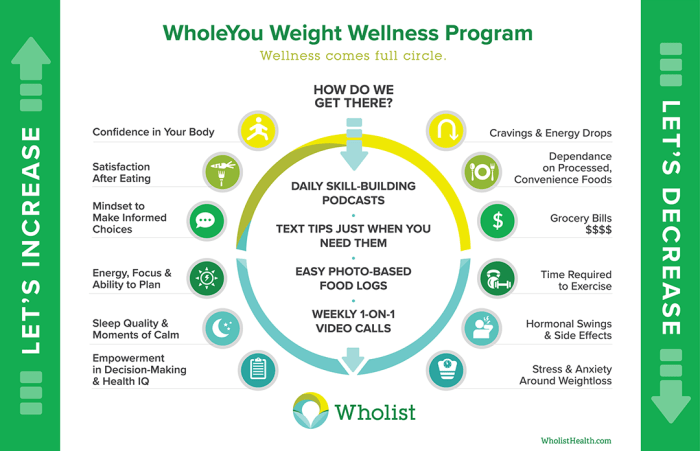
Staying motivated and committed to weight loss goals can be challenging, but it is essential for long-term success. Motivation plays a crucial role in maintaining healthy habits and achieving desired results. Celebrating small victories along the weight loss journey can provide the necessary encouragement to keep going.
Tips for Staying Motivated
- Set realistic and achievable goals to avoid feeling overwhelmed.
- Find a support system, whether it’s friends, family, or a health coach, to keep you accountable.
- Track your progress regularly to see how far you’ve come and stay motivated.
- Reward yourself for reaching milestones, such as fitting into a smaller size or completing a challenging workout.
Role of Intrinsic and Extrinsic Motivation
- Intrinsic motivation comes from within and involves personal satisfaction and enjoyment of the weight loss process.
- Extrinsic motivation, on the other hand, involves external rewards or recognition, such as praise from others or achieving a specific goal.
- A combination of both types of motivation can help individuals stay committed to their weight loss journey.
Celebrating Small Victories
- Recognize and celebrate every achievement, no matter how small, to boost confidence and motivation.
- Share your success with others to receive encouragement and support from your community.
- Keep a journal of your achievements and progress to remind yourself of how far you’ve come.
Motivational Quotes and Practices
“Success is the sum of small efforts repeated day in and day out.” – Robert Collier
“Believe in yourself and all that you are. Know that there is something inside you that is greater than any obstacle.” – Christian D. Larson
- Practice positive affirmations daily to boost self-esteem and motivation.
- Visualize your goals and imagine yourself achieving them to stay motivated.
- Join a supportive online community or group to share experiences and seek inspiration from others.
Physical Activities
Regular physical activity is essential for weight loss as it helps in burning calories and improving overall health. Incorporating a variety of exercises into your routine can help you reach your weight loss goals effectively.
Low-Impact and High-Impact Exercises
- Low-Impact Exercises: Walking, swimming, cycling, yoga, and Pilates are great options for those looking for gentle activities that are easy on the joints.
- High-Impact Exercises: Running, aerobics, kickboxing, and HIIT (High-Intensity Interval Training) are more intense activities that can help boost calorie burn and improve cardiovascular health.
Creating a Balanced Workout Routine
- Include a mix of cardiovascular exercises, strength training, and flexibility exercises in your routine.
- Set specific goals for each workout session, such as increasing intensity or duration gradually.
- Consult with a fitness professional to create a personalized plan that aligns with your weight loss objectives.
Staying Active and Motivated
- Choose activities that you enjoy to make exercise more enjoyable and sustainable.
- Find a workout buddy or join group classes to stay motivated and accountable.
- Track your progress and celebrate small achievements to stay motivated on your weight loss journey.
Health Awareness
Raising awareness about healthy lifestyle choices is crucial for weight loss as it helps individuals make informed decisions regarding their health and well-being. By understanding the benefits of healthy living, individuals can adopt sustainable habits that support their weight management goals.
Impact of Social Support and Community Engagement
- Social support plays a key role in promoting health awareness by providing individuals with encouragement, motivation, and accountability.
- Community engagement initiatives, such as group fitness classes, online forums, and wellness challenges, create a supportive environment for individuals to learn from each other and stay motivated.
- Collaborating with friends, family, or a health coach can enhance adherence to healthy lifestyle changes and increase awareness about the importance of weight management.
Resources and Campaigns for Educating Individuals
- Public health campaigns, such as National Nutrition Month or World Health Day, aim to educate individuals about the benefits of balanced nutrition, physical activity, and mental well-being.
- Health websites, blogs, and social media platforms provide valuable resources on weight loss strategies, healthy recipes, and fitness tips to promote health awareness.
- Local community centers, gyms, and healthcare facilities offer workshops, seminars, and events focused on raising awareness about weight management and overall health.
Successful Initiatives for Increasing Health Awareness
- The “Choose My Plate” initiative by the USDA has successfully educated individuals about portion control, food groups, and making healthier food choices for weight loss.
- Campaigns like “Healthy Weight Week” and “Obesity Awareness Month” have raised awareness about the risks of obesity, the importance of maintaining a healthy weight, and the role of lifestyle factors in weight management.
- Corporate wellness programs that incorporate health education, fitness challenges, and incentives for healthy behaviors have been effective in increasing health awareness among employees and their families.
Preventive Medicine
Preventive medicine plays a crucial role in warding off weight-related health issues by focusing on early intervention and lifestyle modifications. By taking proactive steps to address potential risks, individuals can significantly reduce the likelihood of developing obesity-related diseases.
Regular Screenings and Vaccinations
Regular health screenings and vaccinations are essential components of preventive healthcare that contribute to overall health and weight management. These preventive measures help in early detection of health issues and protect against diseases that can impact weight and well-being.
- Annual check-ups with healthcare providers can help monitor weight, blood pressure, cholesterol levels, and other vital indicators.
- Vaccinations against illnesses like flu, pneumonia, and other infectious diseases can prevent complications that may lead to weight gain or other health challenges.
- Screenings for conditions such as diabetes, thyroid disorders, and hormonal imbalances can identify underlying issues affecting metabolism and weight control.
Lifestyle Modifications for Weight Management
Making sustainable lifestyle changes is key to preventing weight-related health issues. Incorporating healthy habits and behaviors can support individuals in maintaining a healthy weight and reducing the risk of obesity-related diseases.
- Engaging in regular physical activity, such as walking, jogging, or yoga, can help burn calories and improve overall fitness.
- Eating a balanced diet rich in fruits, vegetables, whole grains, and lean proteins can provide essential nutrients and support weight management.
- Managing stress through relaxation techniques, mindfulness practices, or therapy can prevent emotional eating and promote mental well-being.
Nutritional Counseling
Nutritional counseling plays a crucial role in supporting weight loss and making dietary changes. By working with a qualified nutrition counselor or dietitian, individuals can receive personalized guidance to achieve their weight management goals more effectively.
Benefits of Personalized Nutrition Plans
- Personalized nutrition plans take into account individual needs, preferences, and health conditions, resulting in a tailored approach to weight management.
- These plans help individuals make sustainable dietary changes that are realistic and achievable in the long term.
- By addressing specific nutritional deficiencies or imbalances, personalized plans can optimize overall health and well-being while supporting weight loss.
Choosing a Qualified Nutrition Counselor
- Look for a nutrition counselor or dietitian who is accredited, experienced, and has a solid track record of helping clients achieve their weight loss goals.
- Consider their approach to nutrition and weight management to ensure it aligns with your preferences and lifestyle.
- Seek recommendations from trusted sources or healthcare professionals to find a qualified nutrition counselor who can provide tailored guidance.
Successful Nutritional Counseling Sessions
- One success story involves a client who struggled with emotional eating patterns and found effective strategies to overcome them through nutrition counseling.
- Another example is a client who achieved significant weight loss by following a personalized nutrition plan that focused on balanced meals and portion control.
- By addressing underlying issues related to food choices and behaviors, nutritional counseling can lead to sustainable weight loss outcomes.
Healthy Mind
Maintaining a healthy mind is crucial for successful weight loss. Our mental well-being plays a significant role in shaping our behaviors, habits, and overall approach to health and wellness. By focusing on promoting a positive mindset and emotional balance, individuals can enhance their weight management efforts and achieve sustainable results.
Strategies for Promoting Mental Well-being
- Practice mindfulness: Engaging in mindfulness activities such as meditation, deep breathing exercises, or yoga can help reduce stress, improve focus, and enhance self-awareness.
- Seek therapy or counseling: Professional therapy can provide valuable support in addressing underlying emotional issues, developing coping mechanisms, and fostering a positive outlook on weight loss goals.
- Cultivate positive thinking: Adopting a positive mindset, practicing gratitude, and reframing negative thoughts can empower individuals to stay motivated and resilient throughout their weight loss journey.
Holistic Approaches for Weight Management
- Integrating mental health practices with physical health: By combining exercise, nutrition, and mental well-being strategies, individuals can create a comprehensive approach to weight management that addresses both body and mind.
- Prioritizing self-care: Incorporating self-care practices such as adequate sleep, relaxation techniques, and social connections can improve overall well-being and support healthy weight loss goals.
- Fostering a growth mindset: Embracing a growth mindset, focusing on progress over perfection, and learning from setbacks can promote resilience and long-term success in weight management endeavors.
FAQ Overview
How can health coaching help with weight loss?
Health coaching provides personalized strategies, accountability, and support to help individuals achieve their weight loss goals effectively.
What are some examples of personalized strategies used in health coaching for weight loss?
Examples include tailored meal plans, exercise routines, and behavior modification techniques that cater to individual needs and preferences.
Why is accountability important in health coaching programs?
Accountability ensures that individuals stay on track with their weight loss plans and motivates them to make healthier choices consistently.