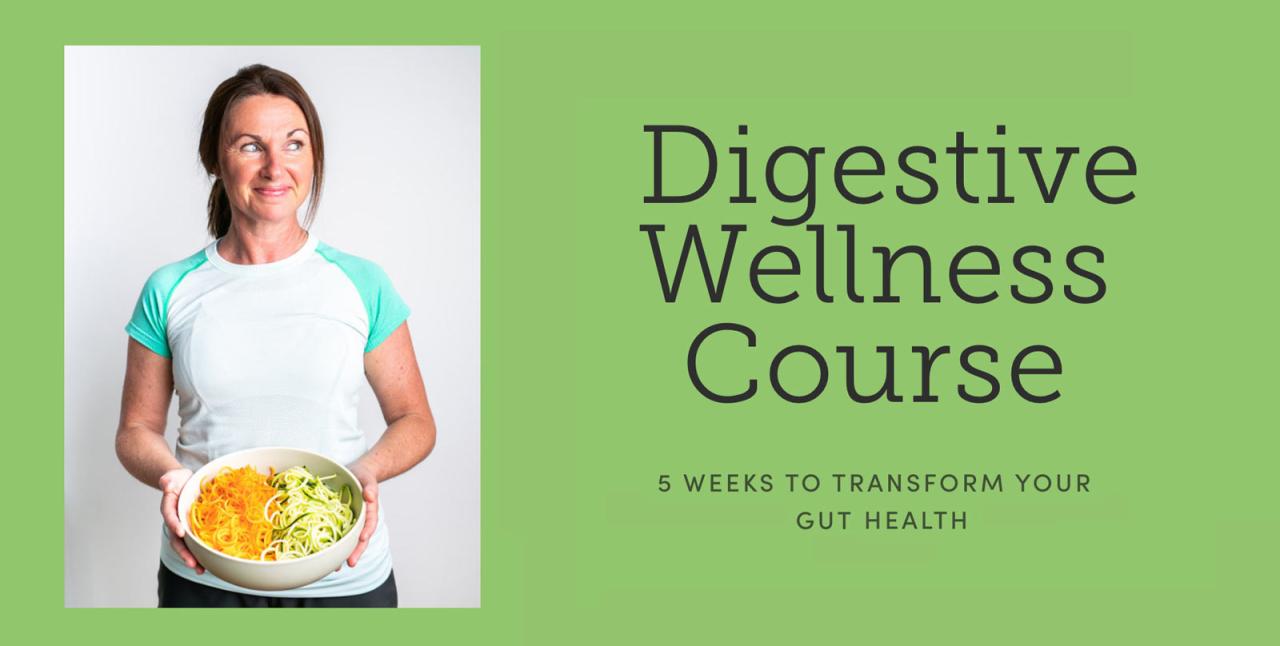
Preventive Medicine and Occupational Health
Preventive medicine plays a crucial role in ensuring the health and well-being of individuals in the workplace. By focusing on preventing illnesses and injuries before they occur, preventive medicine aims to reduce the burden of disease and promote a healthier workforce. This is where occupational health programs come into play, as they are designed to identify and mitigate health risks in the workplace.
Examples of Preventive Measures in the Workplace
- Regular health screenings: Implementing regular health check-ups for employees can help detect early signs of health issues and prevent them from escalating.
- Ergonomic assessments: Ensuring that workstations are ergonomically designed can help prevent musculoskeletal injuries and discomfort among employees.
- Health and safety training: Providing comprehensive training on workplace safety practices can help employees understand and avoid potential hazards.
- Promotion of healthy lifestyle habits: Encouraging physical activity, healthy eating, and stress management can contribute to overall well-being and reduce the risk of chronic diseases.
Role of Occupational Health Programs
Occupational health programs are essential in preventing work-related illnesses and injuries by identifying potential risks in the workplace and implementing strategies to mitigate them. These programs focus on creating a safe and healthy work environment through measures such as hazard assessments, health surveillance, and promoting a culture of safety among employees.
Healthy Snacks
Preventive medicine and occupational health – Incorporating healthy snacks into your daily diet can have numerous benefits for your overall well-being. Not only can they provide essential nutrients, but they can also help boost energy levels and productivity throughout the day. Additionally, healthy snacks can prevent you from reaching for unhealthy options when hunger strikes, ultimately supporting a balanced diet.
Nutrient-Rich Snacks for Energy and Productivity
Choosing snacks that are nutrient-rich can help fuel your body and mind, keeping you alert and focused. Here are some examples of healthy snacks that can boost energy and productivity:
- Fresh fruits like apples, bananas, and berries provide natural sugars for a quick energy boost.
- Nuts and seeds such as almonds, walnuts, and chia seeds are packed with healthy fats and protein to keep you satisfied.
- Greek yogurt with honey and granola offers a balanced mix of protein, carbohydrates, and probiotics for sustained energy.
- Vegetable sticks with hummus or guacamole provide fiber, vitamins, and minerals to support overall health.
Preventing Unhealthy Eating Habits
By incorporating healthy snacks into your daily routine, you can prevent unhealthy eating habits such as mindless snacking on processed foods high in sugar and unhealthy fats. Healthy snacks can help regulate blood sugar levels, reduce cravings, and promote better food choices throughout the day.
Wellness Programs
Workplace wellness programs are designed to promote and support the overall well-being of employees. These programs typically include a variety of initiatives aimed at improving physical, mental, and emotional health.
Components of a Comprehensive Workplace Wellness Program
- Health Education: Providing information and resources to help employees make informed decisions about their health.
- Physical Fitness Activities: Encouraging regular exercise through on-site fitness classes or gym memberships.
- Nutrition Programs: Promoting healthy eating habits and providing access to nutritious food options.
- Mental Health Support: Offering counseling services, stress management workshops, and mindfulness sessions.
- Health Screenings: Conducting regular screenings for conditions like blood pressure, cholesterol, and diabetes.
Impact of Wellness Programs on Employee Health and Morale
- Improved Health Outcomes: Wellness programs have been shown to reduce the risk of chronic diseases and improve overall health among employees.
- Increased Morale: Employees who participate in wellness initiatives often report higher job satisfaction and lower levels of stress.
- Enhanced Productivity: Healthy employees are more productive, leading to better performance and results for the organization.
Success Stories of Organizations with Effective Wellness Initiatives
- Company X implemented a wellness program that included fitness challenges, healthy cooking classes, and mental health resources. As a result, employee absenteeism decreased by 15%.
- Organization Y introduced a nutrition program that offered healthy snacks in the office and sponsored gym memberships. This led to a 20% reduction in healthcare costs for the company.
- Company Z launched a stress management program that included yoga sessions and mindfulness workshops. Employee satisfaction scores improved by 30% within six months.
Physical Therapy
Physical therapy plays a crucial role in both injury prevention and rehabilitation. It involves the use of exercises, manual therapy, and various techniques to improve mobility, relieve pain, and restore function.
Injury Prevention and Rehabilitation
Physical therapy helps prevent injuries by strengthening muscles, improving flexibility, and correcting posture. It also focuses on educating individuals about proper body mechanics to reduce the risk of injury during physical activities. In terms of rehabilitation, physical therapy is essential in helping individuals recover from injuries, surgeries, or other health conditions. Through customized treatment plans, physical therapists work to restore movement, reduce pain, and improve overall quality of life.
Benefits of Incorporating Physical Therapy
- Enhanced mobility and flexibility
- Improved balance and coordination
- Reduced pain and inflammation
- Increased strength and endurance
- Prevention of future injuries
Examples of Exercises and Techniques, Preventive medicine and occupational health
1. Therapeutic exercises: These may include stretching, strengthening, and conditioning exercises tailored to the individual’s specific needs.
2. Manual therapy: Techniques such as massage, joint mobilization, and soft tissue mobilization can help reduce pain and improve mobility.
3. Modalities: Physical therapists may use modalities like heat, ice, ultrasound, or electrical stimulation to manage pain and promote healing.
4. Functional training: This focuses on activities related to daily living to improve overall function and independence.
Health Coaching
Health coaches play a crucial role in promoting healthy lifestyle choices by providing personalized guidance and support to individuals looking to improve their overall well-being. They work with clients to set achievable goals, create action plans, and offer motivation and accountability throughout the journey towards better health.
Benefits of Working with a Health Coach
- Personalized Guidance: Health coaches tailor their advice and recommendations to each individual’s unique needs and preferences, ensuring a customized approach to wellness.
- Accountability: Having a health coach provides accountability and support, increasing the likelihood of sticking to healthy habits and achieving fitness goals.
- Motivation: Health coaches offer encouragement and motivation to help clients stay on track and overcome obstacles on their path to better health.
- Educational Support: Coaches provide valuable information and resources on nutrition, exercise, stress management, and other health-related topics to empower clients to make informed decisions.
- Long-Term Success: Working with a health coach can lead to sustainable lifestyle changes and long-term health improvements, setting the foundation for a healthier future.
Tips for Finding a Qualified Health Coach
- Credentials and Training: Look for health coaches with relevant certifications, training, and experience in the field of health and wellness.
- Compatibility: Choose a health coach with whom you feel comfortable and have a good rapport, as a strong coach-client relationship is essential for success.
- Approach and Philosophy: Consider the coaching style and philosophy of potential health coaches to ensure alignment with your goals and values.
- References and Reviews: Seek recommendations from trusted sources or read reviews from previous clients to gauge the effectiveness and credibility of a health coach.
- Communication and Support: Evaluate the communication skills and level of support offered by a health coach to determine if they can provide the guidance and motivation you need.
Medical Advancements
In recent years, there have been significant advancements in preventive medicine and occupational health that are revolutionizing the way healthcare is approached. Technology has played a crucial role in shaping the future of healthcare, particularly in terms of prevention and early intervention. These advancements have led to improved health outcomes and a more proactive approach to maintaining overall well-being.
Innovative Medical Technologies
- Telemedicine: The use of telecommunication and information technology to provide clinical health care from a distance has greatly improved access to healthcare services, especially in remote areas.
- Artificial Intelligence (AI) in Diagnostics: AI algorithms are being used to analyze medical images, detect patterns, and diagnose diseases at an early stage, leading to better treatment outcomes.
- Wearable Health Devices: Devices like smartwatches and fitness trackers monitor vital signs and activity levels, allowing individuals to track their health metrics and take proactive measures to stay healthy.
- Robotic Surgery: Robotic-assisted surgeries offer precision and minimally invasive procedures, reducing recovery times and improving patient outcomes.
Fitness Goals
Setting realistic fitness goals is crucial for maintaining overall health and well-being. By establishing achievable targets, individuals can stay motivated, track progress, and make positive changes to their lifestyle. Here are some tips on creating a personalized fitness plan to reach specific goals and the importance of regular physical activity for preventive health measures.
Importance of Setting Realistic Fitness Goals
Setting realistic fitness goals ensures that individuals do not become overwhelmed or discouraged. It allows for gradual progress and sustainable lifestyle changes, leading to long-term health benefits.
Tips for Creating a Personalized Fitness Plan
- Assess current fitness level: Understanding where you are starting from will help in setting realistic and achievable goals.
- Set specific, measurable goals: Define what you want to achieve and establish clear milestones to track progress.
- Consider individual preferences: Choose activities that you enjoy to increase adherence to the fitness plan.
- Include a variety of exercises: Incorporate cardio, strength training, flexibility, and balance exercises for a well-rounded fitness routine.
- Consult a fitness professional: Seeking guidance from a trainer or coach can help in creating a tailored plan that aligns with your goals and abilities.
Link between Regular Physical Activity and Preventive Health Measures
Regular physical activity plays a key role in preventing chronic diseases such as heart disease, diabetes, and obesity. It helps in maintaining a healthy weight, improving cardiovascular health, boosting immunity, and enhancing mental well-being. By staying active and meeting fitness goals, individuals can significantly reduce their risk of developing various health conditions.
Balanced Nutrition
Having a balanced nutrition is crucial in preventing chronic diseases and promoting overall health and wellness. A well-rounded diet provides the necessary nutrients that our bodies need to function optimally and reduce the risk of various health conditions.
Examples of a Well-Rounded Diet
- Include a variety of fruits and vegetables in your meals to ensure you are getting a range of vitamins, minerals, and antioxidants.
- Incorporate whole grains such as quinoa, brown rice, and oats for fiber and sustained energy.
- Include lean sources of protein like chicken, fish, tofu, and legumes to support muscle health and repair.
- Don’t forget healthy fats from sources like avocados, nuts, seeds, and olive oil to support heart health and brain function.
- Limit processed foods, sugary drinks, and excess sodium to reduce the risk of chronic diseases like obesity, heart disease, and diabetes.
Tips for Maintaining a Balanced Diet
- Plan and prepare your meals ahead of time to avoid reaching for unhealthy options when you’re busy.
- Opt for whole, nutrient-dense foods whenever possible, even when eating out or grabbing a quick snack.
- Listen to your body’s hunger and fullness cues to prevent overeating or undereating.
- Stay hydrated throughout the day with water and limit sugary beverages that can add empty calories to your diet.
- Seek the guidance of a registered dietitian or nutritionist to create a personalized meal plan that meets your specific needs and goals.
Mental Strength
Maintaining mental resilience is crucial for overall well-being as it directly impacts our ability to cope with stress and adversity. In the realm of preventive medicine and occupational health, mental strength plays a significant role in achieving optimal health outcomes.
Importance of Mental Resilience
Building mental strength is essential for navigating life’s challenges and maintaining a positive outlook. It allows individuals to adapt to stressful situations, overcome obstacles, and persevere in the face of adversity. Mental resilience also contributes to better decision-making, improved emotional well-being, and enhanced overall quality of life.
Strategies for Building Mental Strength
- Practice mindfulness and meditation to enhance self-awareness and reduce stress.
- Engage in regular physical exercise to boost mood and promote mental clarity.
- Cultivate a strong support network of friends, family, or mental health professionals.
- Develop healthy coping mechanisms such as journaling, hobbies, or relaxation techniques.
Impact of Mental Health on Preventive Medicine Practices
Mental health significantly influences preventive medicine practices as it affects an individual’s motivation, decision-making, and adherence to healthy behaviors. Poor mental health can lead to increased stress, unhealthy coping mechanisms, and a higher risk of developing chronic conditions. By prioritizing mental strength and well-being, individuals can better engage in preventive care, adopt healthy lifestyle habits, and ultimately improve their overall health outcomes.
Yoga Practice: Preventive Medicine And Occupational Health
Yoga is a versatile practice that offers a wide range of health benefits, making it an excellent addition to a preventive health routine. Not only does yoga help improve flexibility and strength, but it also enhances mental clarity and overall well-being.
Benefits of Yoga
- Enhances Flexibility: Yoga involves various stretching exercises that help increase flexibility in the muscles and joints, reducing the risk of injuries.
- Improves Strength: Many yoga poses require holding positions that engage different muscle groups, leading to improved strength and stability.
- Promotes Mental Clarity: The focus on breath control and mindfulness in yoga can help reduce stress, improve concentration, and enhance mental clarity.
Yoga Poses for Relaxation and Stress Relief
- Child’s Pose (Balasana): This gentle pose helps relax the mind and body, releasing tension in the back, shoulders, and neck.
- Corpse Pose (Savasana): Savasana allows for complete relaxation, calming the nervous system and promoting deep rest.
- Legs Up the Wall Pose (Viparita Karani): This restorative pose helps reduce anxiety and fatigue by improving circulation and relieving tension in the legs.
Health Education
Health education plays a crucial role in promoting preventive medicine by empowering individuals to make informed decisions about their health. By providing knowledge and skills related to healthy behaviors and disease prevention, health education helps individuals adopt and maintain a healthy lifestyle, reducing the risk of developing chronic diseases.
Significance of Health Education in Preventive Medicine
- Health education raises awareness about the importance of preventive measures such as vaccinations, screenings, and regular health check-ups.
- It helps individuals understand the risk factors associated with various diseases and how lifestyle choices can impact their overall health.
- Health education promotes early detection of health issues, leading to timely intervention and better treatment outcomes.
- By educating individuals about healthy eating habits, physical activity, and stress management, health education contributes to disease prevention and overall well-being.
Role of Health Literacy in Informed Decision-Making
- Health literacy enables individuals to understand health information, navigate healthcare systems, and communicate effectively with healthcare providers.
- It empowers individuals to make informed decisions about their health, treatment options, and lifestyle choices.
- Improving health literacy can lead to better health outcomes, increased adherence to medical recommendations, and reduced healthcare costs.
Resources for Reliable Health Information
- Consult reputable sources such as the Centers for Disease Control and Prevention (CDC), World Health Organization (WHO), and National Institutes of Health (NIH) for up-to-date health information.
- Use trusted websites like Mayo Clinic, WebMD, and Healthline for reliable articles and resources on various health topics.
- Consider attending health education workshops, seminars, and webinars conducted by healthcare professionals and organizations to stay informed about medical advancements and best practices.
Weight Management
Maintaining a healthy weight is crucial for overall health and disease prevention. Excess weight can increase the risk of various health conditions such as heart disease, diabetes, and certain types of cancer. On the other hand, being underweight can also lead to nutrient deficiencies and weaken the immune system. Achieving and sustaining a healthy weight through a balanced diet and regular exercise can significantly improve overall well-being.
Impact of Weight Management on Health
- Weight management plays a key role in reducing the risk of chronic diseases such as diabetes, hypertension, and cardiovascular issues.
- Maintaining a healthy weight can improve energy levels, mood, and overall quality of life.
- Weight management can also enhance physical fitness and reduce the strain on joints and muscles.
Tips for Maintaining a Healthy Weight
- Focus on consuming whole, nutrient-dense foods such as fruits, vegetables, lean proteins, and whole grains.
- Avoid processed foods high in sugar, unhealthy fats, and added preservatives.
- Engage in regular physical activity such as cardio, strength training, and flexibility exercises.
- Stay hydrated by drinking an adequate amount of water throughout the day.
- Monitor portion sizes and practice mindful eating to avoid overeating.
Success Stories in Weight Management
- John lost 30 pounds by incorporating more vegetables and lean proteins into his diet and committing to a daily exercise routine.
- Sarah improved her overall health by focusing on portion control and reducing her intake of sugary beverages.
- Mike achieved his weight management goals by seeking support from a health coach and participating in group fitness classes.
Health Checkups
Regular health checkups play a crucial role in preventive medicine by helping individuals detect and address potential health issues before they become serious concerns. These routine exams and screenings can identify risk factors, monitor overall health, and promote early intervention to maintain well-being.
Importance of Health Checkups
- Regular health checkups help in early detection of chronic conditions such as hypertension, diabetes, and high cholesterol.
- Screenings during checkups can detect conditions like cancer at an early stage, improving treatment outcomes.
- Monitoring key health indicators such as blood pressure, BMI, and blood sugar levels can prevent complications and promote overall wellness.
Recommended Frequency by Age Group
While the frequency of health checkups may vary based on individual health status and risk factors, here are general guidelines for different age groups:
| Age Group | Frequency of Checkups |
|---|---|
| 20-39 years | Every 1-3 years for overall health assessment |
| 40-64 years | Every 1-2 years for monitoring chronic conditions |
| 65+ years | Annually for comprehensive health evaluation |
Early Detection through Preventive Screenings
- Regular screenings like mammograms, colonoscopies, and blood tests can detect potential health issues before symptoms appear.
- Early detection allows for timely intervention and treatment, improving health outcomes and quality of life.
- Preventive screenings can identify risk factors for heart disease, stroke, and other conditions, enabling proactive management.
Skin Health
Skin health plays a crucial role in preventive medicine as the skin is the body’s first line of defense against external factors. Maintaining healthy skin not only contributes to overall well-being but also helps in early detection of potential health issues.
Tips for Healthy Skin Maintenance
- Establish a consistent skincare routine that includes cleansing, moisturizing, and protecting the skin.
- Use sunscreen with at least SPF 30 daily to protect against harmful UV rays and prevent premature aging.
- Stay hydrated by drinking plenty of water to keep the skin hydrated from within.
- Eat a balanced diet rich in fruits, vegetables, and healthy fats to nourish the skin from the inside out.
- Avoid smoking and excessive alcohol consumption as they can damage the skin and accelerate aging.
Common Skin Conditions and Preventive Measures
- Acne: Maintain good hygiene, avoid touching the face frequently, and use non-comedogenic skincare products.
- Eczema: Keep the skin moisturized, avoid triggers like harsh chemicals, and wear soft, breathable fabrics.
- Skin Cancer: Perform regular skin checks, wear protective clothing, and seek shade during peak sun hours.
- Premature Aging: Use anti-aging skincare products, avoid prolonged sun exposure, and follow a healthy lifestyle.
- Dermatitis: Identify triggers, use gentle skincare products, and seek medical advice for persistent symptoms.
Emotional Health
Emotional health plays a vital role in overall well-being and is closely linked to preventive health practices. The impact of stress, anxiety, and mental health on our physical health cannot be understated. It is important to address emotional health to achieve optimal wellness.
Strategies for Improving Emotional Health and Resilience
- Practice mindfulness and meditation to help manage stress and anxiety.
- Engage in regular physical activity to boost mood and reduce symptoms of depression.
- Build a strong support system by connecting with friends, family, or a therapist.
- Set boundaries to protect your mental and emotional well-being.
- Focus on positive thinking and gratitude to shift your mindset towards resilience.
- Seek professional help if you are struggling with your emotional health.
Health Motivation
Maintaining healthy habits and preventive measures requires consistent motivation and dedication. Without proper motivation, it can be challenging to prioritize health and wellness goals. Motivation serves as the driving force behind making positive lifestyle changes and sticking to them in the long run.
Tips for Staying Motivated
- Set specific, achievable goals: Break down larger health goals into smaller, manageable tasks to stay motivated.
- Reward yourself: Celebrate small victories along the way to keep yourself motivated and encouraged.
- Find a support system: Surround yourself with people who encourage and support your health journey.
- Stay positive: Focus on the progress you’ve made rather than any setbacks to maintain motivation.
- Mix it up: Keep your health routine interesting by trying new activities or exercises to prevent boredom.
Personal Stories of Health Motivation
“After experiencing a health scare, I realized the importance of taking care of myself. This motivated me to prioritize my health and make significant lifestyle changes.”
“Seeing my family members overcome health challenges through healthy habits inspired me to make similar changes in my own life. Their stories continue to motivate me every day.”
Physical Activities
Regular physical activity plays a crucial role in preventive medicine by promoting overall health and well-being. It not only helps in maintaining a healthy weight but also reduces the risk of chronic diseases such as heart disease, diabetes, and certain types of cancer. Incorporating physical activities into daily routines can have long-term benefits for individuals of all ages.
Types of Exercises for Cardiovascular Health, Strength, and Flexibility
- Cardiovascular Exercises: Activities like running, cycling, swimming, and dancing help improve heart health, increase endurance, and boost overall cardiovascular fitness.
- Strength Training: Weightlifting, bodyweight exercises, and resistance bands are great for building muscle strength, increasing metabolism, and improving bone density.
- Flexibility Exercises: Stretching, yoga, and Pilates contribute to better flexibility, joint health, and posture, reducing the risk of injuries and enhancing overall mobility.
Tips for Incorporating Physical Activities into Daily Routines
- Schedule regular workout sessions: Set aside specific times during the week for physical activities to make it a consistent habit.
- Choose activities you enjoy: Select exercises that you find fun and engaging to stay motivated and committed in the long run.
- Stay active throughout the day: Take breaks to walk, use stairs instead of elevators, and engage in active hobbies to increase overall daily movement.
- Set realistic goals: Start with achievable targets and gradually increase intensity and duration to progress steadily in your fitness journey.
Health Awareness
Raising awareness about preventive health measures is crucial in promoting overall well-being and reducing the burden of diseases in society. By educating individuals about the importance of preventive medicine and occupational health, we can empower them to take proactive steps to maintain their health and prevent illnesses before they occur.
Role of Education and Community Outreach
Education plays a vital role in promoting health awareness by providing individuals with the knowledge and skills needed to make informed decisions about their health. Community outreach programs further enhance this by reaching a wider audience and addressing specific health needs within different populations. Through workshops, seminars, and public campaigns, communities can be educated on the benefits of preventive measures and the importance of regular health screenings.
- Collaborating with schools, workplaces, and local organizations to conduct health education sessions.
- Organizing health fairs and wellness events to engage the community in preventive health practices.
- Utilizing social media and digital platforms to disseminate information on healthy lifestyle choices and disease prevention.
Strategies for Increasing Public Understanding
Increasing public understanding of preventive medicine and occupational health requires a multi-faceted approach that combines education, advocacy, and community engagement. By tailoring messages to different demographic groups and utilizing various communication channels, we can effectively convey the importance of preventive health measures to the public.
- Developing targeted campaigns that address specific health concerns prevalent in the community.
- Engaging healthcare professionals and experts to provide credible information and advice on preventive health practices.
- Encouraging individuals to participate in health screenings and regular check-ups to detect potential health issues early.
Nutritional Counseling
Nutritional counseling plays a crucial role in preventive health practices by providing individuals with the knowledge and guidance they need to make informed decisions about their diet and overall well-being. By working with dietitians and nutritionists, individuals can develop personalized nutrition plans tailored to their specific health goals, whether it’s weight management, managing chronic conditions, or improving overall health.
Benefits of Nutritional Counseling
- Education on the importance of balanced nutrition and healthy eating habits.
- Guidance on making healthier food choices to meet individual health goals.
- Support in managing chronic conditions through diet and lifestyle modifications.
- Help in establishing sustainable dietary habits for long-term health benefits.
Role of Dietitians and Nutritionists
- Assessing individual nutritional needs based on health status, lifestyle, and goals.
- Creating customized nutrition plans that align with specific health objectives.
- Providing ongoing support, education, and motivation to promote healthy eating habits.
- Monitoring progress and making adjustments to nutrition plans as needed.
Customized Nutrition Plans
- A low-carb diet plan for individuals looking to manage blood sugar levels and improve insulin sensitivity.
- A high-protein diet plan for individuals aiming to build muscle mass and support an active lifestyle.
- A plant-based diet plan for individuals seeking to increase intake of fruits, vegetables, and plant proteins for overall health and well-being.
- A Mediterranean diet plan for individuals interested in reducing the risk of heart disease and promoting longevity.
Healthy Mind

Maintaining a healthy mind is crucial for overall well-being and plays a significant role in preventive medicine outcomes. A positive mental state can help in reducing stress, improving decision-making, and enhancing overall quality of life. Here are some tips on how to keep your mind healthy through mindfulness practices and stress management techniques.
Mindfulness Practices
- Engage in daily meditation to calm the mind and reduce stress levels.
- Practice deep breathing exercises to increase oxygen flow to the brain and promote relaxation.
- Stay present in the moment by focusing on your senses and surroundings.
- Try yoga or tai chi to improve mental clarity and physical well-being.
Stress Management Techniques
- Identify sources of stress in your life and work on addressing them effectively.
- Establish a healthy work-life balance to prevent burnout and mental exhaustion.
- Engage in regular physical exercise to release endorphins and combat stress.
- Seek support from friends, family, or a therapist when feeling overwhelmed or anxious.
Answers to Common Questions
What are the key elements of preventive medicine in occupational health?
Preventive medicine in occupational health focuses on promoting health through measures like regular health checkups, wellness programs, and creating a safe work environment.
How can organizations benefit from incorporating preventive measures in the workplace?
By implementing preventive measures, organizations can reduce absenteeism, improve productivity, and enhance employee well-being, leading to a healthier and more engaged workforce.
What role do occupational health programs play in preventing work-related illnesses and injuries?
Occupational health programs aim to identify and mitigate workplace hazards, conduct risk assessments, and provide education and training to prevent work-related illnesses and injuries.