Getting Started with Yoga at Home
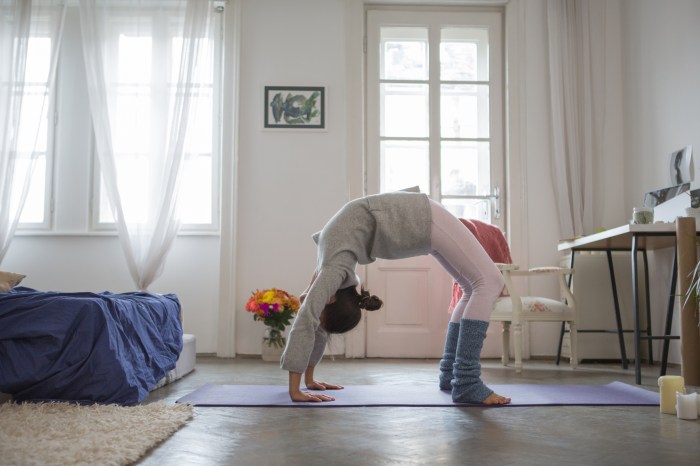
Starting a yoga practice at home can offer numerous benefits for both the body and mind. It allows for flexibility in scheduling, personalized routines, and a comfortable environment to focus on your practice without distractions.
Creating a Conducive Space
To create a conducive space for practicing yoga at home, consider the following tips:
- Choose a quiet area free from distractions to set up your yoga mat.
- Add elements like candles, incense, or calming music to enhance the ambiance.
- Ensure the space is well-ventilated and has enough natural light for a refreshing practice.
- Keep any necessary props like blocks, straps, or cushions nearby for support during poses.
Setting Realistic Goals
When starting a home yoga practice, it’s essential to set realistic goals to maintain consistency and progress:
- Start with achievable goals based on your current fitness level and experience with yoga.
- Focus on building a regular practice routine rather than pushing yourself too hard too soon.
- Track your progress by noting improvements in flexibility, strength, and overall well-being over time.
- Adjust your goals as needed to challenge yourself while staying within a comfortable and safe practice range.
Essential Equipment and Attire: How To Start A Yoga Practice At Home
When starting a yoga practice at home, having the right equipment and attire is essential for a successful and comfortable session.
Basic Equipment Needed
- A high-quality yoga mat: Choose a mat that provides enough cushioning and grip to support your practice.
- Yoga blocks: These can help with alignment and provide support for certain poses.
- Yoga strap: Useful for stretching and deepening poses that may be challenging.
- Yoga bolster: Great for restorative poses and added comfort during relaxation.
- Blanket or towel: Can be used for extra support or warmth during practice.
Choosing the Right Yoga Mat
- Thickness: Thicker mats provide more cushioning, while thinner mats offer better stability.
- Material: Consider eco-friendly options like natural rubber or cork for a more sustainable choice.
- Grip: Look for a mat with good grip to prevent slipping, especially during more dynamic practices.
- Size: Make sure the mat is long and wide enough to accommodate your height and movement range.
Importance of Comfortable Attire
Wearing comfortable and breathable clothing during yoga sessions allows for better movement and flexibility. Opt for moisture-wicking materials that can keep you dry and comfortable throughout your practice.
Establishing a Routine
To maintain a consistent yoga practice at home, it is crucial to establish a routine that works for you. This will help you stay committed and make progress in your practice over time.
Importance of Warm-up and Cool-down Exercises
How to start a yoga practice at home – Before diving into your yoga practice, it is essential to incorporate warm-up exercises to prepare your body for movement and prevent injuries. Similarly, including cool-down exercises at the end of your practice helps your body relax and recover.
- Warm-up exercises can include gentle stretches, joint rotations, and breathing exercises to increase blood flow and flexibility.
- Cool-down exercises may involve gentle stretches, relaxation poses, and breathing techniques to help your body cool down and release tension.
Remember, warming up and cooling down are essential components of a safe and effective yoga practice.
Incorporating Meditation and Breathing Exercises
Adding meditation and breathing exercises to your home yoga routine can enhance your overall practice and bring more mindfulness to your movements.
- Set aside time at the beginning or end of your practice for meditation to center your mind and cultivate awareness.
- Practice deep breathing techniques like diaphragmatic breathing or alternate nostril breathing to calm the mind and connect with your breath.
- Integrate breathwork into your yoga poses to deepen your practice and improve focus and relaxation.
Online Resources and Classes
When starting a yoga practice at home, exploring online platforms and resources can provide guidance and motivation. Virtual yoga classes offer the convenience of practicing from home while still receiving expert instruction and support.
Benefits of Joining Virtual Yoga Classes
- Access to professional instructors from anywhere in the world.
- Flexible class schedules to fit your availability.
- Opportunity to connect with a community of like-minded individuals.
- Variety of class styles and levels to suit your preferences and goals.
Recommendations for Online Yoga Classes
- Yoga with Adriene: A popular YouTube channel offering a wide range of free yoga classes for all levels.
- Glo: An online platform with classes taught by world-renowned instructors, featuring a variety of styles and durations.
- DoYogaWithMe: A website providing a diverse selection of yoga classes, including guided programs and tutorials.
Progressing in Your Practice
Starting a yoga practice at home is just the beginning. As you become more comfortable with the basic poses and sequences, you may want to challenge yourself by gradually advancing your practice. It’s important to do so mindfully, listening to your body and avoiding injuries along the way. Self-reflection and mindfulness play a crucial role in improving your yoga practice, allowing you to deepen your mind-body connection and enhance the overall experience.
Gradually Advancing Your Practice
- Experiment with more challenging poses or sequences as you build strength and flexibility.
- Explore different styles of yoga to keep your practice interesting and continue learning.
- Set specific goals for your practice, whether it’s mastering a difficult pose or improving your overall flexibility.
Listening to Your Body and Avoiding Injuries
- Pay attention to any discomfort or pain during your practice and adjust or modify poses accordingly.
- Avoid pushing yourself too hard and respect your body’s limits to prevent injuries.
- Consult with a yoga instructor or healthcare professional if you have any concerns or questions about specific poses or modifications.
Importance of Self-Reflection and Mindfulness
- Take time to reflect on your progress, challenges, and achievements in your yoga practice.
- Practice mindfulness by focusing on your breath, body sensations, and present moment during each session.
- Use meditation techniques to enhance your self-awareness and deepen your connection with your practice.
Creating a Relaxing Environment
Creating a calming and peaceful environment is essential for a successful home yoga practice. By incorporating elements of relaxation and decluttering your space, you can enhance your overall experience and deepen your practice.
Incorporating Relaxation Elements
When setting up your yoga space at home, consider adding elements that promote relaxation. Aromatherapy can be a great way to create a soothing ambiance – you can use essential oils like lavender or eucalyptus in a diffuser to enhance your practice. Additionally, playing soft, instrumental music in the background can help you relax and focus during your yoga session.
Decluttering Your Space
Before starting your practice, be sure to declutter your space. A tidy and organized environment can help clear your mind and allow for better concentration. Remove any distractions or unnecessary items from your yoga area to create a peaceful atmosphere that promotes mindfulness and relaxation.
Enhancing Your Practice
To further enhance your yoga practice, consider incorporating candles, incense, or essential oils. Lighting a scented candle or burning incense sticks can add a calming effect to your space. You can also use essential oils like peppermint or chamomile to help you relax and unwind while practicing yoga.
Tracking Progress and Staying Motivated
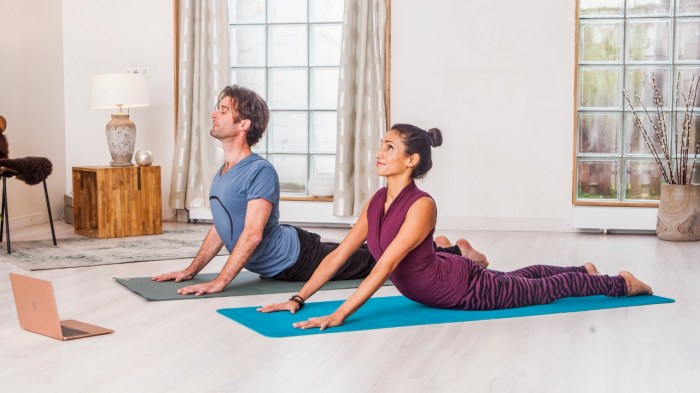
Maintaining motivation and tracking progress are essential components of a successful home yoga practice. By monitoring your development and celebrating milestones, you can stay committed to your routine and overcome obstacles along the way.
Celebrating Small Achievements
- Keep a yoga journal to record your practice sessions, noting any improvements in flexibility, strength, or balance.
- Set achievable goals for yourself, such as holding a challenging pose for a few extra breaths or mastering a new sequence.
- Reward yourself for reaching milestones, whether it’s treating yourself to a new yoga accessory or taking time for self-care after a particularly intense session.
Overcoming Obstacles and Maintaining Motivation
- Identify potential barriers to your practice, such as lack of time or energy, and create strategies to address them proactively.
- Find an accountability partner or join a virtual yoga community to stay motivated and inspired by others on a similar journey.
- Experiment with different styles of yoga or varying class lengths to keep your practice engaging and prevent boredom.
Incorporating Yoga into Daily Life
Regular yoga practice can extend beyond formal sessions and become an integral part of your daily routine, offering numerous benefits for both mind and body. By integrating mindfulness, breathing techniques, and yoga poses into various aspects of your day, you can experience reduced stress levels and enhanced overall well-being.
Mindfulness and Breathing Techniques for Stress Reduction, How to start a yoga practice at home
Mindfulness involves being fully present in the moment, focusing on your breath and sensations in your body. By incorporating mindfulness and breathing exercises into your daily life, you can cultivate a sense of calm and reduce stress levels throughout the day.
- Practice deep breathing exercises during work breaks or stressful moments to center yourself and release tension.
- Engage in mindful walking by paying attention to each step and your surroundings, promoting relaxation and mental clarity.
- Utilize brief meditation sessions to pause and reset, allowing you to approach tasks with a clear mind and heightened focus.
Incorporating Yoga Poses and Stretches Throughout the Day
Integrating yoga poses or stretches into your daily routine can help improve flexibility, posture, and overall physical well-being. Consider incorporating the following tips to seamlessly blend yoga into your day:
- Perform gentle stretches upon waking or before bedtime to relieve muscle tension and promote relaxation.
- Incorporate chair yoga poses during work breaks to alleviate stiffness and improve circulation, enhancing your productivity and focus.
- Combine yoga poses with household chores or activities, such as practicing tree pose while waiting for the kettle to boil or doing forward folds while folding laundry.
Answers to Common Questions
How can I create a conducive space for practicing yoga at home?
You can designate a quiet corner or room in your home, free of distractions, and decorate it with calming elements like plants, candles, or inspiring artwork to create a peaceful environment for your practice.
What are some tips for staying motivated in a home yoga practice?
Setting realistic goals, tracking your progress, and varying your routine with different styles of yoga can help you stay motivated and engaged in your practice.
Is it necessary to wear specific attire for practicing yoga at home?
While there is no strict dress code, wearing comfortable and breathable clothing that allows for easy movement is recommended to enhance your practice experience.