Health Motivation and Goal Setting
Setting health goals is crucial for maintaining overall well-being and leading a healthier lifestyle. By establishing clear objectives, individuals can track their progress, stay motivated, and make positive changes to their habits and routines.
Importance of Setting Health Goals
- Setting health goals provides a sense of direction and purpose, guiding individuals towards making healthier choices in their daily lives.
- Goals help in measuring progress and celebrating achievements, boosting motivation and confidence along the way.
- Having clear goals can increase accountability and commitment to making sustainable lifestyle changes for long-term health benefits.
Tips to Stay Motivated
- Break down big goals into smaller, manageable tasks to avoid feeling overwhelmed and stay motivated.
- Find a support system or accountability partner to share progress, challenges, and successes with, keeping you motivated and on track.
- Reward yourself for achieving milestones along the way, reinforcing positive behaviors and encouraging continued progress.
Role of Accountability
- Being held accountable by a friend, family member, or health coach can provide the necessary support and encouragement to stay focused on health goals.
- Regular check-ins and progress updates help maintain motivation and prevent setbacks, ensuring consistent progress towards achieving desired outcomes.
- Accountability fosters a sense of responsibility and commitment to one’s health, making it easier to stay on course and overcome obstacles.
Examples of Health Goals
- Short-term goal: Drinking 8 glasses of water daily for a week to improve hydration levels.
- Long-term goal: Losing 20 pounds over the course of six months through a combination of healthy eating and regular exercise.
- Short-term goal: Incorporating at least 30 minutes of physical activity into your daily routine for a month to boost fitness levels.
- Long-term goal: Quitting smoking within a year to reduce the risk of developing respiratory illnesses and improve overall health.
Healthy Snacks
Health motivation and goal setting – When it comes to maintaining energy levels throughout the day, choosing nutritious snacks is key. Not only do healthy snacks provide a quick boost of energy, but they also support overall well-being. Let’s explore some excellent options and recipes for healthy snacking.
Nutritious Snack Options
- Raw nuts and seeds: Almonds, walnuts, chia seeds, and pumpkin seeds are great sources of healthy fats, protein, and fiber.
- Greek yogurt with berries: This combination offers a mix of protein, probiotics, and antioxidants.
- Veggie sticks with hummus: Crunchy vegetables like carrots, cucumber, and bell peppers paired with hummus provide a satisfying and nutritious snack.
Easy Recipes for Healthy Snacks
- Fruit and nut trail mix: Combine dried fruits like apricots and cranberries with mixed nuts for a delicious on-the-go snack.
- Banana oat bars: Mash ripe bananas with oats, nuts, and a touch of honey, then bake for a homemade snack bar.
- Rice cake with avocado and tomato: Top a rice cake with mashed avocado and sliced tomato for a simple yet nutritious snack.
Benefits of Snacking on Fruits and Vegetables
- Fruits and vegetables are rich in vitamins, minerals, and antioxidants that support overall health and immunity.
- Snacking on fruits and vegetables can help curb cravings for unhealthy processed snacks, leading to better food choices throughout the day.
- The fiber content in fruits and vegetables promotes digestive health and helps maintain a feeling of fullness.
Tips for Avoiding Unhealthy Snack Choices
- Avoid keeping sugary or salty snacks easily accessible at home or work to reduce temptation.
- Plan ahead by portioning out healthy snacks in advance to prevent reaching for unhealthy options when hunger strikes.
- Opt for whole foods like fruits, vegetables, nuts, and seeds instead of processed snacks high in added sugars and unhealthy fats.
Wellness Programs
Wellness programs are initiatives implemented by organizations to promote the overall health and well-being of their employees. These programs typically include activities such as fitness challenges, nutrition education, mental health resources, and preventive health screenings.
Benefits of Wellness Programs
- Improved employee health and well-being.
- Reduced healthcare costs for both employees and employers.
- Increased productivity and morale in the workplace.
- Enhanced employee engagement and loyalty.
Impact on Employee Productivity
- Employees who participate in wellness programs are more likely to have higher energy levels and focus, leading to increased productivity.
- Healthy habits cultivated through these programs can result in fewer sick days and reduced absenteeism.
- Wellness programs can also contribute to a positive work environment and improved teamwork among employees.
Success Stories
“After joining the wellness program at my workplace, I started exercising regularly and making healthier food choices. Not only did I lose weight, but I also felt more energized and motivated at work.”
Choosing the Right Wellness Program
- Assess your health goals and needs before selecting a wellness program that aligns with your objectives.
- Consider programs that offer a variety of activities to cater to different interests and preferences.
- Look for programs with professional guidance and support to ensure that you are on the right track towards achieving your health goals.
Physical Therapy
Physical therapy plays a crucial role in improving overall health by helping individuals recover from injuries, manage chronic conditions, and improve mobility and function.
Common Conditions Benefiting from Physical Therapy
- Orthopedic injuries such as fractures, sprains, and strains
- Neurological conditions like stroke, Parkinson’s disease, or multiple sclerosis
- Chronic pain conditions such as arthritis or fibromyalgia
- Rehabilitation after surgery, like joint replacements
Exercises for Home Physical Therapy
It’s important to consult with a physical therapist before starting any exercises at home. Here are some general exercises that may be recommended:
- Flexibility exercises: Stretching exercises to improve range of motion
- Strength training: Resistance exercises to build muscle strength
- Balance exercises: Activities to improve stability and prevent falls
- Aerobic exercises: Cardiovascular activities like walking or cycling
Finding a Qualified Physical Therapist
When looking for a physical therapist, consider the following tips:
- Check the therapist’s credentials and certifications
- Ask for recommendations from your doctor or friends
- Ensure the therapist has experience treating your specific condition
- Communicate openly and feel comfortable with the therapist
Health Coaching
Health coaching involves a supportive partnership between a coach and an individual seeking to achieve their health goals. The role of a health coach is to provide guidance, motivation, and accountability to help clients make sustainable lifestyle changes.
Benefits of Working with a Health Coach
- Personalized Support: Health coaches tailor their approach to meet the unique needs and preferences of each client.
- Accountability: Regular check-ins and goal-setting help clients stay on track and make progress towards their health goals.
- Motivation: Health coaches provide encouragement and support to help clients overcome obstacles and stay motivated.
- Educational Support: Coaches offer valuable information and resources to help clients make informed decisions about their health.
Tips on Finding the Right Health Coach
- Look for Credentials: Ensure the health coach is certified and has the necessary qualifications to provide guidance.
- Compatibility: Choose a coach with whom you feel comfortable sharing personal information and working towards your goals.
- Communication Style: Find a coach who communicates in a way that resonates with you and keeps you engaged.
- Experience: Consider a coach with experience working with clients who have similar health goals or challenges.
Successful Health Coaching Stories
One example of a successful health coaching story is Sarah, who worked with a health coach to improve her nutrition and fitness habits. With the support and guidance of her coach, Sarah was able to lose weight, increase her energy levels, and develop a healthier relationship with food. Another example is John, who sought the help of a health coach to manage his stress and improve his mental well-being. Through regular coaching sessions and personalized strategies, John learned effective stress management techniques and achieved a greater sense of balance in his life.
Medical Advancements
Medical advancements have played a crucial role in transforming healthcare and improving health outcomes for patients worldwide. These innovative technologies and breakthrough treatments have revolutionized the way diseases are diagnosed, managed, and treated. Let’s explore some recent advancements in medical technology and their impact on healthcare.
AI in Healthcare
Artificial Intelligence (AI) has emerged as a game-changer in healthcare, offering predictive analytics, personalized treatment plans, and early disease detection. Machine learning algorithms can analyze vast amounts of data to identify patterns and trends, leading to more accurate diagnoses and treatment recommendations.
Precision Medicine
Precision medicine tailors medical treatment to the individual characteristics of each patient, considering factors like genetics, lifestyle, and environment. This approach allows for more targeted therapies, reducing side effects and improving outcomes for patients with conditions like cancer, cardiovascular diseases, and rare genetic disorders.
Telemedicine
Telemedicine has gained popularity, especially in the wake of the COVID-19 pandemic, enabling patients to receive medical care remotely through virtual consultations and monitoring. This technology has improved access to healthcare services, particularly for individuals in rural or underserved areas.
Robotics in Surgery
Robotic-assisted surgery has revolutionized the field of surgery, allowing for greater precision, control, and flexibility during procedures. Surgeons can perform minimally invasive surgeries with enhanced dexterity and visualization, leading to quicker recovery times and reduced complications for patients.
Genome Editing
Advancements in genome editing technologies like CRISPR-Cas9 have opened new possibilities for treating genetic disorders and diseases. Scientists can now edit specific genes to correct mutations and prevent inherited conditions, offering hope for patients with previously untreatable conditions.
Fitness Goals
Setting fitness goals is crucial for maintaining overall health and well-being. By establishing clear objectives, individuals are more likely to stay motivated, track progress, and make positive changes to their lifestyle. Here are some tips for creating a balanced fitness routine and examples of different types of fitness goals.
Tips for Creating a Balanced Fitness Routine
- Include a variety of exercises such as cardio, strength training, and flexibility exercises to target different muscle groups and improve overall fitness.
- Set realistic and measurable goals to ensure progress can be tracked and adjustments can be made accordingly.
- Listen to your body and allow for rest days to prevent burnout and reduce the risk of injury.
- Stay consistent with your routine by scheduling workouts at convenient times and making fitness a priority in your daily schedule.
Examples of Fitness Goals
- Strength: Increase the amount of weight lifted during strength training exercises by 10% within the next 3 months.
- Endurance: Run a 5k race without stopping within the next 6 months.
- Flexibility: Touch your toes without bending your knees within the next 2 months.
Tracking Progress for Fitness Goals
- Use a fitness tracker or journal to record workouts, measurements, and achievements to monitor progress over time.
- Regularly reassess your goals and adjust them as needed based on your performance and fitness level.
- Celebrate small victories along the way to stay motivated and maintain a positive mindset towards achieving your fitness goals.
Balanced Nutrition
Maintaining a balanced diet is crucial for overall health and well-being. It provides the necessary nutrients that our bodies need to function properly, support immune function, maintain a healthy weight, and reduce the risk of chronic diseases.
Components of a Balanced Nutrition Plan
A balanced nutrition plan includes a variety of foods from all the food groups. These components typically include:
- Proteins: such as lean meats, poultry, fish, beans, and nuts, which are essential for muscle building and repair.
- Carbohydrates: found in whole grains, fruits, vegetables, and legumes, providing energy for daily activities.
- Fats: including healthy sources like avocados, nuts, seeds, and olive oil, necessary for brain function and hormone production.
- Vitamins and minerals: obtained from colorful fruits and vegetables, supporting various bodily functions and overall health.
- Hydration: drinking an adequate amount of water throughout the day is also essential for maintaining proper bodily functions.
Tips on Meal Planning for Balanced Nutrition
Meal planning can help ensure that you are consuming a balanced diet. Some tips for successful meal planning include:
- Include a variety of foods from different food groups in each meal.
- Prepare meals in advance to avoid unhealthy food choices when hungry.
- Focus on whole, minimally processed foods to maximize nutrient intake.
- Experiment with different herbs and spices to add flavor without excess salt or sugar.
- Plan for healthy snacks to have on hand when hunger strikes between meals.
Examples of Nutrient-Rich Foods for a Balanced Diet
Nutrient-rich foods that can be incorporated into a balanced diet include:
- Leafy greens like spinach and kale, rich in vitamins A, C, and K.
- Salmon, a great source of omega-3 fatty acids for heart health.
- Quinoa, a complete protein with fiber and various minerals.
- Greek yogurt, high in protein and probiotics for gut health.
- Berries, packed with antioxidants and fiber for overall well-being.
Mental Strength
Achieving health goals goes beyond just physical fitness; mental strength plays a crucial role in overall well-being. Building mental resilience is essential for overcoming obstacles and staying motivated on the path to better health.
Importance of Mental Strength
Mental strength is key to facing challenges, dealing with setbacks, and maintaining consistency in health goals. It helps individuals stay focused, motivated, and resilient in the face of difficulties.
Strategies for Building Mental Resilience
- Practice mindfulness and meditation to improve focus and reduce stress.
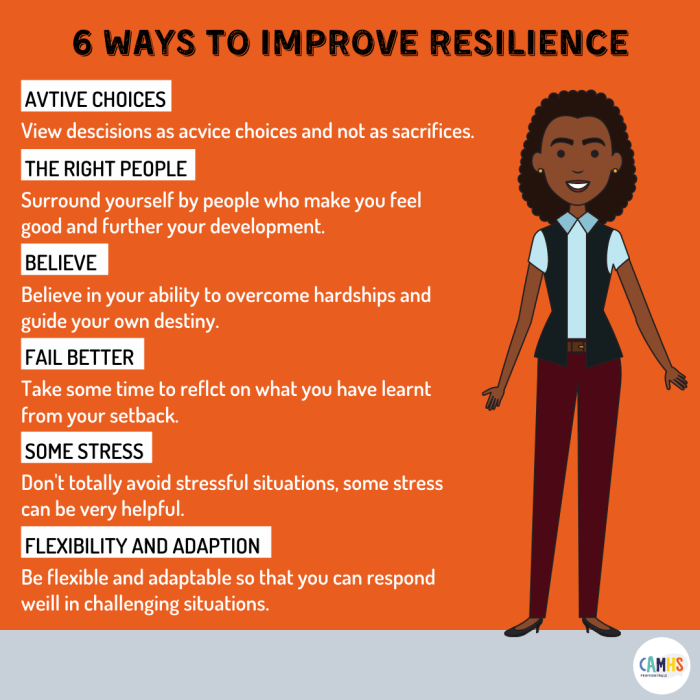
- Cultivate a positive mindset by reframing negative thoughts into positive affirmations.
- Set realistic goals and celebrate small victories along the way.
- Seek support from friends, family, or a mental health professional when needed.
Connection between Mental Strength and Overall Well-being
When individuals have strong mental resilience, they are better equipped to handle challenges, maintain healthy habits, and cope with stress. This, in turn, leads to improved overall well-being and a higher quality of life.
Mental Exercises to Improve Mental Strength
- Practice gratitude by keeping a daily journal of things you are thankful for.
- Challenge yourself with puzzles, brain games, or new learning experiences to stimulate cognitive function.
- Affirmations and visualization techniques can help boost confidence and motivation.
- Breathing exercises and relaxation techniques can help manage stress and improve mental clarity.
Yoga Practice
Yoga is a holistic practice that offers numerous benefits for both the body and mind. Incorporating yoga into a health routine can help improve flexibility, reduce stress, increase strength, and promote overall well-being.
Types of Yoga Practices and Their Advantages
- Hatha Yoga: Focuses on physical postures and breathing techniques, great for beginners and improving flexibility.
- Vinyasa Yoga: Involves flowing sequences of poses, helps build strength and improve cardiovascular health.
- Ashtanga Yoga: A more rigorous practice that follows a specific sequence of poses, ideal for those looking for a challenging workout.
- Bikram Yoga: Done in a heated room, promotes detoxification and enhances flexibility.
- Yin Yoga: Involves holding poses for longer periods, targeting connective tissues and promoting relaxation.
Tips for Beginners Starting a Yoga Practice
- Start with beginner-friendly classes or online tutorials.
- Invest in a good quality yoga mat for comfort and support.
- Listen to your body and take breaks when needed.
- Focus on proper alignment and breathing techniques.
- Be patient with yourself and allow time for progress.
Yoga Poses for Improving Flexibility and Mental Clarity
- Downward Facing Dog (Adho Mukha Svanasana): Stretches the entire body and helps relieve stress.
- Warrior II (Virabhadrasana II): Strengthens the legs and opens the hips, promoting balance and focus.
- Child’s Pose (Balasana): Releases tension in the back and shoulders, calming the mind.
- Tree Pose (Vrikshasana): Improves balance and concentration while stretching the thighs and groin.
- Cobra Pose (Bhujangasana): Strengthens the spine and opens the chest, boosting energy levels.
Health Education
Health education plays a crucial role in promoting overall well-being by empowering individuals with the knowledge and skills needed to make informed decisions about their health. It serves as a tool to raise awareness, instill healthy behaviors, and prevent diseases through education and information dissemination.
Importance of Health Education
- Health education equips individuals with the necessary knowledge to take control of their health and well-being.
- It helps in promoting healthy lifestyles and preventing chronic diseases by encouraging positive health behaviors.
- Health education contributes to reducing healthcare costs by preventing illnesses and promoting early intervention.
Role of Health Education in Disease Prevention
- Health education initiatives focus on raising awareness about specific diseases, risk factors, and preventive measures.
- By educating individuals about disease prevention, health education empowers them to make healthier choices and adopt preventive behaviors.
- Effective health education programs target at-risk populations and provide tailored information to address specific health concerns.
Examples of Effective Health Education Initiatives
- Community-based workshops on nutrition and healthy eating habits.
- School-based programs promoting physical activity and mental health awareness.
- Online resources and campaigns to educate the public about the importance of vaccinations and preventive screenings.
Impact of Health Literacy on Making Informed Health Choices
- Health literacy plays a critical role in enabling individuals to understand health information and make informed decisions about their well-being.
- Individuals with higher health literacy are more likely to engage in preventive health practices and seek timely medical care.
- Improving health literacy levels can lead to better health outcomes, reduced disparities, and increased adherence to treatment plans.
Weight Management
Maintaining a healthy weight is crucial for overall health as it can reduce the risk of various chronic conditions such as heart disease, diabetes, and hypertension. It also plays a key role in improving energy levels, mood, and overall quality of life.
Significance of Effective Weight Management
Effective weight management involves a combination of healthy eating, regular physical activity, and lifestyle modifications. Here are some strategies for achieving and maintaining a healthy weight:
- Focus on balanced nutrition by including a variety of fruits, vegetables, whole grains, lean proteins, and healthy fats in your diet.
- Avoid crash diets or extreme restrictions, as they are not sustainable and can lead to nutrient deficiencies.
- Engage in regular physical activity such as cardio, strength training, and flexibility exercises to support weight loss and overall health.
- Practice mindful eating by paying attention to hunger cues, eating slowly, and savoring each bite.
- Monitor your progress by keeping track of your food intake, physical activity, and weight to make necessary adjustments.
Setting Realistic Weight Loss Goals
When setting weight loss goals, it is important to be realistic and specific. Here are some tips for setting achievable goals:
- Set small, achievable goals that are measurable and time-bound.
- Aim for a weight loss of 1-2 pounds per week, which is considered safe and sustainable.
- Celebrate small victories along the way to stay motivated and encouraged.
- Seek support from friends, family, or a healthcare professional to hold yourself accountable and stay on track.
Sustainable Approaches to Weight Management
To maintain a healthy weight in the long term, it is essential to adopt sustainable lifestyle changes. Here are some examples of sustainable approaches to weight management:
- Focus on creating healthy habits rather than following short-term diets.
- Incorporate regular physical activity into your daily routine to support weight maintenance.
- Practice stress management techniques such as meditation, yoga, or deep breathing to prevent emotional eating.
- Aim for a balanced approach that includes flexibility in your eating habits and allows for occasional treats in moderation.
Health Checkups
Regular health checkups are essential for maintaining overall well-being and identifying any potential health issues early on. These preventive measures can help in the early detection and treatment of various conditions, ultimately leading to better health outcomes.
Key Screenings and Tests, Health motivation and goal setting
- Blood Pressure Measurement: Helps in monitoring heart health and detecting hypertension.
- Cholesterol Test: Assesses the risk of heart disease and stroke.
- Blood Glucose Test: Screens for diabetes and evaluates blood sugar levels.
- Body Mass Index (BMI) Calculation: Determines if weight is within a healthy range.
- Complete Blood Count (CBC): Checks for various blood disorders and infections.
Scheduling and Preparation Tips
- Make a checklist of questions or concerns to discuss with your healthcare provider.
- Bring a list of current medications and any relevant medical history.
- Follow fasting instructions if required for certain tests like cholesterol or blood glucose.
- Avoid strenuous exercise or alcohol consumption before the checkup for accurate results.
Interpreting Health Checkup Results
- Consult with your healthcare provider to understand the implications of the results.
- Ask for explanations on any abnormal findings or recommended follow-up actions.
- Discuss potential lifestyle changes or treatment plans based on the results.
Skin Health
Skincare plays a crucial role in maintaining overall health and well-being. Our skin is the body’s largest organ and serves as a protective barrier against external elements. Proper skincare not only enhances our appearance but also contributes to our overall health.
Common Skin Issues and Treatments
Skin issues such as acne, eczema, psoriasis, and dryness are common concerns that many people face. Treatments for these conditions vary depending on the severity and underlying causes. It is essential to consult with a dermatologist to determine the best course of action for specific skin issues.
- Acne: Common treatments for acne include topical creams, oral medications, and lifestyle changes such as a healthy diet and proper skincare routine.
- Eczema: Moisturizing the skin regularly, using gentle cleansers, and avoiding triggers such as certain fabrics or harsh chemicals can help manage eczema flare-ups.
- Psoriasis: Treatment options for psoriasis include topical treatments, phototherapy, and systemic medications prescribed by a healthcare professional.
- Dryness: Keeping the skin well-hydrated by using moisturizers, drinking plenty of water, and avoiding hot showers can help combat dry skin.
Tips for Maintaining Healthy Skin
Maintaining healthy skin involves establishing a proper skincare routine. This includes cleansing, exfoliating, moisturizing, and protecting the skin from the sun’s harmful rays. Additionally, getting an adequate amount of sleep, staying hydrated, and eating a balanced diet rich in fruits and vegetables can contribute to healthy skin.
Remember, consistency is key when it comes to skincare. Establishing a daily routine and sticking to it can make a significant difference in the health and appearance of your skin.
Natural Remedies for Skin Health
Natural remedies can complement traditional skincare routines and help improve skin health. Some examples of natural remedies for skin health include using honey as a moisturizer, applying aloe vera for sunburn relief, and using coconut oil to hydrate the skin.
Emotional Health
Emotional health plays a crucial role in our overall well-being, impacting how we think, feel, and act. It is essential for managing stress, building resilience, and maintaining a positive outlook on life. Let’s explore the connection between emotional health and physical well-being, along with strategies to promote emotional well-being.
Impact of Emotional Health on Overall Well-being
Emotional health directly influences our mental and physical health. When we are emotionally balanced and resilient, we are better equipped to handle life’s challenges, maintain healthy relationships, and make positive choices. On the other hand, poor emotional health can lead to stress, anxiety, depression, and even physical health issues such as heart disease and weakened immune system.
- Practicing mindfulness and meditation can help calm the mind and reduce stress levels.
- Engaging in regular physical activity releases endorphins, which are natural mood lifters.
- Seeking support from friends, family, or a therapist can provide a safe space to express emotions and work through challenges.
- Engaging in hobbies or activities that bring joy and relaxation can boost emotional well-being.
Strategies for Managing Stress and Improving Emotional Resilience
Stress is a common part of life, but how we manage it can greatly impact our emotional health. Developing coping strategies and building emotional resilience can help us navigate stressful situations more effectively.
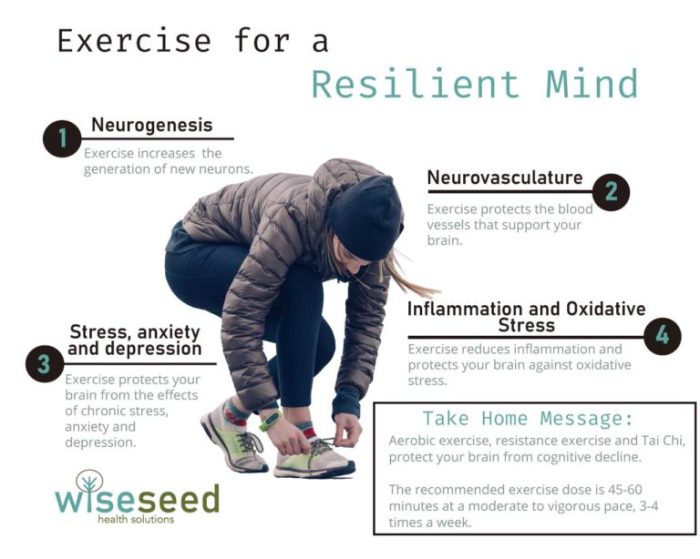
Practicing deep breathing exercises, yoga, or tai chi can help reduce stress levels and promote relaxation.
- Setting boundaries and learning to say no when needed can prevent overwhelm and burnout.
- Prioritizing self-care activities such as getting enough rest, eating well, and engaging in activities we enjoy can boost emotional resilience.
- Building a strong support network of friends, family, or support groups can provide emotional support during challenging times.
Connection between Emotional Health and Physical Health
Our emotional well-being is closely linked to our physical health. Chronic stress, anxiety, or depression can weaken the immune system, increase inflammation in the body, and contribute to various health conditions.
Research has shown that individuals with higher emotional well-being tend to have better physical health outcomes and longevity.
- Engaging in regular exercise not only benefits physical health but also improves mood and reduces stress levels.
- Eating a balanced diet rich in nutrients can support both physical and emotional well-being.
- Getting enough sleep is crucial for emotional regulation and overall health.
Physical Activities
Regular physical activity plays a crucial role in maintaining overall health and well-being. It not only helps in managing weight but also reduces the risk of chronic diseases such as heart disease, diabetes, and cancer. Physical activities can improve mental health, boost mood, and increase energy levels.
Benefits of Regular Physical Activity
- Improves cardiovascular health
- Enhances muscle strength and flexibility
- Boosts metabolism and aids in weight management
- Reduces stress and anxiety levels
- Improves quality of sleep
Tips for Incorporating Physical Activities
- Take the stairs instead of the elevator
- Go for a brisk walk during lunch breaks
- Join a fitness class or sports team
- Set aside time for daily exercise routines
- Engage in active hobbies such as gardening or dancing
Low-Impact and High-Impact Physical Activities
- Low-Impact: Walking, swimming, yoga, cycling
- High-Impact: Running, aerobics, kickboxing, HIIT workouts
Role of Variety in Physical Activities
It is important to incorporate a variety of physical activities into your routine to ensure overall fitness. Mixing up exercises helps in targeting different muscle groups, preventing boredom, and reducing the risk of overuse injuries. Try to include a combination of cardiovascular, strength training, flexibility, and balance exercises for a well-rounded fitness regimen.
Health Awareness
Raising awareness about health issues is crucial in promoting overall well-being and preventing diseases. By educating individuals about the importance of maintaining good health practices, we can empower them to make informed decisions and take proactive steps towards a healthier lifestyle.
The Impact of Health Awareness Campaigns
Health awareness campaigns play a significant role in improving public health by disseminating vital information, debunking myths, and promoting healthy behaviors. These initiatives help in early detection of diseases, encourage regular health check-ups, and ultimately lead to a reduction in healthcare costs.
Successful Health Awareness Initiatives
- The “Breast Cancer Awareness Month” campaign has successfully raised awareness about early detection and treatment options for breast cancer.
- The “Movember” movement has shed light on men’s health issues, particularly prostate cancer and mental health.
- The “World AIDS Day” campaign has helped in reducing the stigma associated with HIV/AIDS and promoting testing and prevention methods.
Tips for Promoting Health Awareness
- Participate in local health fairs or community events to share information about preventive healthcare measures.
- Utilize social media platforms to spread awareness about common health issues and the importance of regular exercise and a balanced diet.
- Support and volunteer for organizations that focus on specific health concerns to contribute to their awareness campaigns.
- Encourage friends and family members to prioritize their health by scheduling regular check-ups and adopting healthy habits.
Preventive Medicine: Health Motivation And Goal Setting
Preventive medicine plays a crucial role in maintaining overall health and well-being by focusing on preventing diseases before they occur. By emphasizing proactive measures, such as vaccinations and screenings, individuals can avoid potential health issues and lead healthier lives.
Importance of Vaccinations and Screenings
Vaccinations and screenings are essential components of preventive care as they help identify and prevent diseases early on. Vaccinations stimulate the immune system to protect against specific diseases, while screenings detect conditions in their early stages when they are more treatable.
- Regular vaccinations can prevent serious illnesses such as influenza, measles, and hepatitis.
- Screenings like mammograms, colonoscopies, and blood pressure checks can detect conditions like cancer, heart disease, and hypertension.
Primary, Secondary, and Tertiary Prevention
In healthcare, preventive medicine is categorized into primary, secondary, and tertiary prevention strategies. Primary prevention focuses on preventing diseases before they occur by promoting healthy behaviors and providing education. Secondary prevention involves early detection and treatment of diseases to prevent their progression. Tertiary prevention aims to manage and improve the quality of life for individuals with existing health conditions.
Understanding these prevention levels can help individuals and healthcare providers implement appropriate strategies for maintaining health.
Preventive Medicine Strategies for Different Age Groups
Preventive medicine strategies vary based on age groups to address specific health needs and risks. Children may require vaccinations to prevent infectious diseases, while adults may benefit from screenings for conditions like diabetes and cholesterol levels. Older adults may focus on preventive measures for chronic conditions like osteoporosis and dementia.
- Children: Vaccinations for measles, mumps, rubella (MMR) and screenings for developmental milestones.
- Adults: Screenings for blood pressure, cholesterol, and diabetes, along with vaccinations for influenza and shingles.
- Older Adults: Screenings for osteoporosis, cognitive assessments, and vaccinations for pneumonia and influenza.
Nutritional Counseling
Nutritional counseling plays a crucial role in helping individuals improve their dietary habits and overall health. By working with a nutritionist or dietitian, people can receive personalized guidance and support to make sustainable changes to their eating patterns.
Benefits of Nutritional Counseling
- Provides personalized nutrition advice tailored to individual needs and goals.
- Helps in addressing specific health concerns such as weight management, chronic conditions, or food allergies.
- Educates individuals on making healthier food choices and developing better eating habits.
- Supports long-term lifestyle changes for improved overall health and well-being.
Role of a Nutritionist or Dietitian
- Evaluates an individual’s current diet and nutritional intake to identify areas for improvement.
- Creates personalized meal plans and recommendations based on specific dietary needs and preferences.
- Offers ongoing support, guidance, and accountability to help individuals stay on track with their nutrition goals.
- Monitors progress and adjusts recommendations as needed to ensure optimal results.
Tips for Finding a Qualified Nutritional Counselor
- Check credentials and certifications to ensure the counselor is a registered dietitian or certified nutrition specialist.
- Consider experience and expertise in dealing with specific health conditions or dietary requirements.
- Look for positive reviews and testimonials from past clients to gauge the counselor’s effectiveness.
- Ensure good communication and a strong rapport with the counselor for a successful counseling relationship.
Examples of Dietary Changes Recommended in Nutritional Counseling
- Incorporating more fruits and vegetables into daily meals to increase fiber and essential nutrients.
- Reducing intake of processed foods high in added sugars, unhealthy fats, and sodium.
- Balancing macronutrients such as carbohydrates, proteins, and fats for optimal energy and nutrition.
- Choosing whole grains, lean proteins, and healthy fats for sustained energy and satiety.
Healthy Mind

Maintaining a healthy mind is crucial for overall well-being, as it is closely connected to physical health. A positive mindset can lead to better health outcomes and improved quality of life. Here are some tips on promoting a healthy mind through mindfulness practices.
Mindfulness Practices for a Healthy Mind
- Practice meditation regularly to calm the mind and reduce stress levels.
- Engage in deep breathing exercises to increase oxygen flow to the brain and promote relaxation.
- Keep a gratitude journal to focus on the positive aspects of life and foster a sense of appreciation.
- Avoid negative self-talk and replace it with positive affirmations to boost self-esteem and confidence.
Impact of a Positive Mindset on Overall Health
A positive mindset can lower the risk of chronic diseases, improve immune function, and enhance overall resilience to life’s challenges.
Activities to Support a Healthy Mind
- Engage in regular physical exercise to release endorphins and improve mood.
- Participate in creative hobbies such as painting, writing, or playing music to stimulate the mind and reduce stress.
- Connect with friends and loved ones for social support and emotional well-being.
Question & Answer Hub
How can I stay motivated to achieve my health goals?
It’s essential to set realistic and achievable goals, track your progress, celebrate small victories, and surround yourself with a supportive community to stay motivated.
What role does accountability play in maintaining motivation for health goals?
Being accountable to yourself or a partner can help you stay on track, as it adds a sense of responsibility and encourages consistency in your efforts.
What are the benefits of setting short-term and long-term health goals?
Short-term goals provide immediate targets to work towards, while long-term goals give you a sense of direction and purpose in your health journey.