Mental Strength Exercises for Resilience
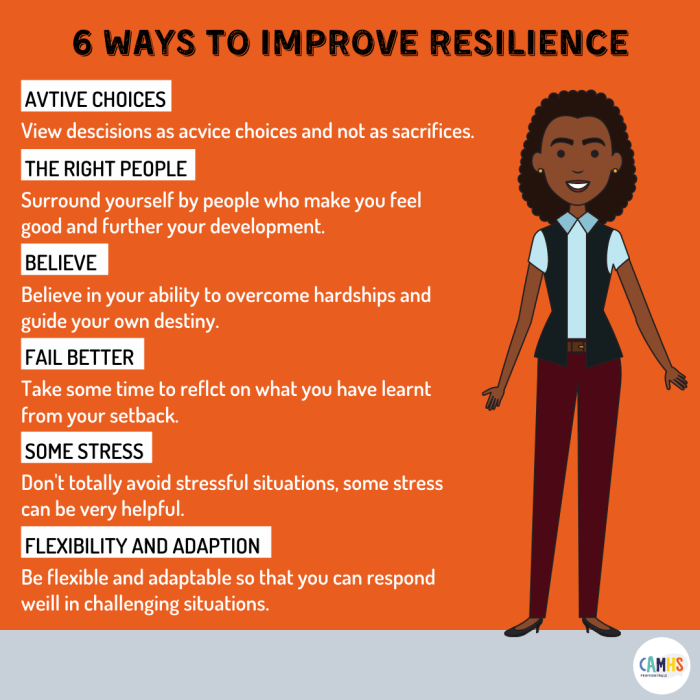
Mental strength exercises for resilience – Mental strength plays a crucial role in building resilience, which is the ability to bounce back from adversity and challenges. By developing mental resilience, individuals can better cope with stress, setbacks, and difficult situations, ultimately leading to improved overall well-being.
Examples of Mental Exercises for Resilience
- Practice mindfulness meditation to increase self-awareness and focus on the present moment.
- Challenge negative thoughts and replace them with more positive and realistic ones through cognitive restructuring.
- Set specific goals and work towards achieving them, building a sense of accomplishment and self-efficacy.
- Cultivate a growth mindset by viewing failures as opportunities for growth and learning.
Benefits of Regular Mental Strength Exercises
Regular practice of mental strength exercises can lead to a variety of benefits that contribute to overall well-being:
- Increased emotional regulation and stress management skills.
- Enhanced problem-solving abilities and decision-making skills.
- Improved self-confidence and self-esteem.
- Greater adaptability and resilience in the face of challenges.
Healthy Snacks
Incorporating healthy snacks into your diet can have numerous benefits for your overall health and well-being. These nutrient-rich snacks not only provide essential vitamins and minerals but also help maintain energy levels throughout the day, leading to increased productivity.
Examples of Nutrient-Rich Snacks
- Raw nuts and seeds: Almonds, walnuts, chia seeds, and pumpkin seeds are excellent sources of healthy fats, protein, and fiber.
- Fruits and vegetables: Apples, berries, carrots, and bell peppers are packed with vitamins, antioxidants, and fiber to support a strong immune system.
- Greek yogurt: A great source of protein and probiotics, Greek yogurt can help improve gut health and keep you feeling full and satisfied.
- Whole grain crackers with hummus: This combination offers a balance of carbohydrates, protein, and healthy fats to fuel your body and brain.
Impact of Healthy Snacking
Healthy snacking not only provides essential nutrients but also helps regulate blood sugar levels, preventing energy crashes and mood swings. By incorporating nutrient-rich snacks into your diet, you can boost your energy levels, improve concentration, and enhance overall productivity throughout the day.
Wellness Programs
Wellness programs are initiatives designed to promote overall health and well-being among individuals. These programs focus on preventive measures, healthy lifestyle choices, and activities that enhance physical, mental, and emotional wellness.
Types of Wellness Programs
- Physical Wellness Programs: These programs typically include fitness classes, nutrition counseling, and resources for maintaining a healthy lifestyle. They aim to improve physical health by encouraging regular exercise and healthy eating habits.
- Mental Health Programs: These programs focus on mental well-being, stress management, and coping strategies. They may include workshops, therapy sessions, and mindfulness practices to support mental health.
- Emotional Wellness Programs: These programs help individuals build resilience, manage emotions, and develop healthy relationships. They often involve activities such as counseling, support groups, and self-care practices.
- Workplace Wellness Programs: These programs are designed to promote health and well-being in the workplace. They may include initiatives like ergonomic assessments, stress management workshops, and incentives for healthy behaviors.
Benefits of Wellness Programs
Participation in wellness programs can have numerous benefits for individuals, including:
- Improved physical fitness and overall health.
- Reduced stress levels and better stress management skills.
- Enhanced mental clarity and focus.
- Increased motivation and productivity.
- Stronger immune system and reduced risk of chronic diseases.
Impact on Physical and Mental Well-being
Engaging in wellness programs can lead to a significant improvement in both physical and mental well-being. By adopting healthy habits, managing stress effectively, and seeking support when needed, individuals can experience a better quality of life and overall wellness.
Physical Therapy
Physical therapy plays a crucial role in rehabilitation and pain management, aiming to improve mobility, strength, and overall well-being of individuals recovering from injuries or dealing with chronic pain. Through targeted exercises, manual therapy, and education, physical therapists help patients regain function and independence.
Goals of Physical Therapy
- Reduce pain and inflammation
- Improve flexibility and range of motion
- Enhance strength and endurance
- Prevent further injuries
- Promote overall physical fitness and well-being
Common Techniques and Exercises
- Therapeutic exercises tailored to individual needs
- Manual therapy such as massage, mobilization, or manipulation
- Heat and cold therapy for pain relief and muscle relaxation
- Ultrasound or electrical stimulation for targeted treatment
- Aquatic therapy for low-impact rehabilitation
Success Stories
“After undergoing physical therapy following my knee surgery, I was able to regain full range of motion and strength in my leg. The personalized exercises and guidance from my physical therapist truly made a difference in my recovery journey.” – John Doe
“I suffered from chronic back pain for years, but with the help of physical therapy, I learned proper posture, strengthening exercises, and pain management techniques that have significantly improved my quality of life. I am grateful for the support and expertise of my physical therapist.” – Jane Smith
Health Coaching
Health coaches play a crucial role in assisting individuals in achieving their wellness goals by providing personalized guidance and support throughout their health journey. They are trained professionals who help clients make sustainable lifestyle changes to improve their overall well-being.
The Importance of Personalized Health Coaching
Personalized health coaching is essential as it takes into account the unique needs, preferences, and challenges of each individual. By tailoring advice and strategies to fit the specific circumstances of the client, health coaches can create a more effective and sustainable path towards better health.
- Health coaches help clients set realistic and achievable goals that align with their values and priorities.
- They provide ongoing support, encouragement, and accountability to help clients stay motivated and on track.
- Health coaches empower clients to make informed decisions about their health by educating them on nutrition, exercise, stress management, and other wellness practices.
Finding a qualified health coach is essential for receiving personalized guidance that meets your unique needs and goals.
Tips for Finding a Qualified Health Coach
When looking for a health coach, consider the following tips to ensure you find a qualified professional who can help you on your wellness journey:
- Look for certifications from reputable organizations such as the National Board for Health and Wellness Coaching (NBHWC).
- Ask for references or testimonials from previous clients to gauge the effectiveness of the coach’s approach.
- Choose a health coach who specializes in areas that align with your specific health goals, whether it’s weight management, stress reduction, or chronic disease management.
- Ensure that the health coach’s approach resonates with your personality and communication style to foster a strong and supportive relationship.
Medical Advancements
Medical advancements play a crucial role in improving patient care and outcomes. These innovations have the potential to revolutionize healthcare and pave the way for a brighter and healthier future. Let’s explore some recent advancements in medical technology and treatments, along with insights on the future of healthcare with upcoming innovations.
Advancements in Precision Medicine
- Personalized treatment plans based on an individual’s genetic makeup and specific health needs.
- Targeted therapies for conditions like cancer, leading to more effective and less invasive treatments.
- Improved diagnostics and early detection of diseases through advanced genetic testing and imaging technologies.
Innovations in Telemedicine
- Remote consultations and monitoring, allowing patients to access healthcare services from the comfort of their homes.
- Virtual care options for mental health support, chronic disease management, and follow-up appointments.
- Enhanced connectivity between patients and healthcare providers, ensuring timely interventions and continuous care.
Advances in Robotic Surgery
- Precision and accuracy in surgical procedures, reducing risks and improving recovery times for patients.
- Minimally invasive techniques that offer less pain, scarring, and complications compared to traditional surgeries.
- Integration of artificial intelligence to assist surgeons in complex operations, enhancing overall surgical outcomes.
Fitness Goals
Setting realistic fitness goals is essential for overall health and well-being. It provides a clear direction, motivation, and a sense of accomplishment when achieved. Here are some tips on creating a fitness plan tailored to individual needs:
Importance of Setting Realistic Fitness Goals
- Start by assessing your current fitness level and identifying areas you want to improve.
- Set specific, measurable, achievable, relevant, and time-bound (SMART) goals to track your progress effectively.
- Consult with a fitness professional to help you set realistic goals based on your abilities, lifestyle, and preferences.
Benefits of Achieving Fitness Goals
- Improved physical health: Achieving fitness goals can lead to weight loss, increased muscle strength, and cardiovascular health.
- Enhanced mental well-being: Regular exercise can reduce stress, anxiety, and depression while boosting mood and self-esteem.
- Increased energy levels: Being physically active can improve overall energy levels and help you stay more active throughout the day.
Balanced Nutrition
Maintaining a balanced diet is crucial for optimal health as it provides the necessary nutrients for the body to function properly. A well-rounded nutrition plan not only supports physical health but also plays a significant role in mental well-being.
Food Groups for Balanced Nutrition
- Fruits and Vegetables: Rich in vitamins, minerals, and antioxidants, these food groups are essential for overall health and disease prevention.
- Whole Grains: Provide fiber, B vitamins, and important minerals, promoting digestive health and reducing the risk of chronic diseases.
- Protein Sources: Include lean meats, poultry, fish, legumes, nuts, and seeds to support muscle growth, repair, and overall body function.
- Dairy or Dairy Alternatives: Good sources of calcium, vitamin D, and protein, vital for bone health and overall well-being.
- Healthy Fats: Incorporate sources like avocados, olive oil, nuts, and seeds for heart health, brain function, and nutrient absorption.
Tips for Achieving Balance in Daily Meals
- Plan Ahead: Schedule meals and snacks to ensure a variety of nutrients throughout the day.
- Include Colorful Foods: Different colors in fruits and veggies signify various nutrients, so aim for a rainbow on your plate.
- Portion Control: Be mindful of serving sizes to prevent overeating and maintain a healthy weight.
- Stay Hydrated: Water is essential for digestion, nutrient absorption, and overall hydration, so drink an adequate amount throughout the day.
- Limit Processed Foods: Minimize consumption of foods high in added sugars, salt, and unhealthy fats to improve overall health.
Yoga Practice
Incorporating yoga into a fitness routine can offer a wide range of benefits for both the body and mind. It helps improve flexibility, strength, balance, and mental focus while reducing stress and promoting relaxation.
Types of Yoga Practices and Their Benefits
- Hatha Yoga: Focuses on basic poses and breathing techniques, great for beginners and stress relief.
- Vinyasa Yoga: Involves flowing movements synchronized with breath, enhances cardiovascular health and flexibility.
- Ashtanga Yoga: A more rigorous practice with a set sequence of poses, builds strength and endurance.
- Bikram Yoga: Done in a heated room, promotes detoxification through sweat and increased flexibility.
- Yin Yoga: Involves holding poses for longer periods to target connective tissues, improves joint mobility and relaxation.
Beginner-Friendly Yoga Poses for Relaxation and Stress Relief, Mental strength exercises for resilience
- Child’s Pose (Balasana): Helps release tension in the back, shoulders, and chest.
- Cat-Cow Stretch (Marjaryasana-Bitilasana): Improves spinal flexibility and relieves stress in the back.
- Legs Up the Wall Pose (Viparita Karani): Promotes relaxation and reduces swelling in the legs.
- Corpse Pose (Savasana): Allows for complete relaxation and stress relief at the end of a yoga session.
Health Education
Health education plays a crucial role in promoting preventive care and overall well-being. By providing individuals with the necessary knowledge and skills, health education empowers them to make informed decisions about their health.
Importance of Health Education
- Health education helps individuals understand the importance of preventive care, leading to early detection and treatment of health issues.
- It promotes healthy lifestyle choices, such as balanced nutrition, regular exercise, and stress management, which can prevent chronic diseases.
- By raising awareness about common health concerns and risk factors, health education encourages individuals to take proactive steps to maintain their well-being.
Accessing Reliable Health Information
- Reliable sources of health information include government websites, reputable health organizations, and healthcare providers.
- Online platforms like the Centers for Disease Control and Prevention (CDC) and the World Health Organization (WHO) offer evidence-based resources on various health topics.
- Community health centers and libraries also provide educational materials and workshops on health-related issues.
Empowering Individuals through Health Education
- Health education equips individuals with the knowledge to make informed decisions about their health, leading to better self-care practices.
- It fosters a sense of personal responsibility for one’s well-being and encourages proactive health management.
- By promoting health literacy and awareness, health education empowers individuals to advocate for their health needs and engage in shared decision-making with healthcare providers.
Weight Management
Maintaining a healthy weight is crucial for overall well-being and reducing the risk of chronic diseases. Several factors contribute to weight management and healthy weight loss.
Excessive calorie intake, lack of physical activity, genetics, hormonal imbalances, and certain medical conditions can all impact weight. To achieve and maintain a healthy weight, it is essential to adopt sustainable strategies that focus on a holistic approach.
Factors Contributing to Weight Management
- Calorie Balance: Consuming the right amount of calories based on individual needs and balancing it with physical activity is key to weight management.
- Quality of Diet: Eating a balanced diet rich in fruits, vegetables, whole grains, lean proteins, and healthy fats can support weight loss and maintenance.
- Physical Activity: Regular exercise, including cardio and strength training, helps burn calories, build muscle, and improve overall health.
- Behavioral Factors: Mindful eating, stress management, adequate sleep, and setting realistic goals play a significant role in weight management.
Strategies for Achieving Healthy Weight
- Set Realistic Goals: Aim for gradual weight loss of 1-2 pounds per week to ensure sustainable results.
- Stay Active: Incorporate regular exercise into your routine, aiming for at least 150 minutes of moderate-intensity activity per week.
- Eat Mindfully: Pay attention to portion sizes, listen to your body’s hunger cues, and avoid emotional eating.
- Stay Hydrated: Drinking water before meals can help control appetite and prevent overeating.
- Seek Support: Joining a weight loss program, working with a health coach, or seeking guidance from a dietitian can provide valuable support and accountability.
Importance of a Holistic Approach
- Diet: Focus on whole, nutrient-dense foods and practice mindful eating habits.
- Exercise: Incorporate a variety of physical activities that you enjoy to promote weight loss and overall well-being.
- Lifestyle Changes: Address stress, sleep, and other lifestyle factors that can impact weight management.
- Consistency: Developing healthy habits and maintaining them over time is essential for long-term weight management success.
Health Checkups
Regular health checkups play a crucial role in preventive healthcare by helping to detect potential health issues early on and ensuring timely intervention. It is essential to stay proactive about scheduling and attending these checkups to maintain overall well-being.
Significance of Regular Health Checkups
Regular health checkups are essential for monitoring overall health and detecting any underlying issues before they escalate. These checkups can include screenings for various conditions such as high blood pressure, cholesterol levels, diabetes, cancer, and more. By detecting problems early, individuals can take necessary steps to prevent further complications and maintain a healthy lifestyle.
Recommended Timelines for Different Health Screenings and Checkups
- Annual checkups: Regular physical examinations, blood pressure checks, and screenings for cholesterol levels are recommended annually for adults.
- Every 3-5 years: It is advised to undergo screenings for conditions like diabetes and certain cancers every 3-5 years, depending on individual risk factors.
- Age-specific screenings: As individuals age, additional screenings such as bone density tests, colonoscopies, mammograms, and prostate exams may be recommended at specific intervals.
Tips for Staying Proactive about Health Checkups
- Keep a health journal to track appointments and test results.
- Set reminders for upcoming checkups on your calendar or phone.
- Communicate openly with your healthcare provider about any concerns or symptoms you may be experiencing.
- Take advantage of preventive care services covered by your insurance plan.
- Prioritize your health by making time for regular checkups, even when you feel healthy.
Skin Health
Maintaining skin health is crucial for overall well-being and confidence. A good skincare routine can help prevent various skin concerns and conditions, keeping your complexion healthy and radiant.
Common Skin Concerns and Treatment Options
- Acne: A common skin condition that can be treated with topical creams, oral medications, or procedures like laser therapy.
- Eczema: Characterized by dry, itchy skin, eczema can be managed with moisturizers, prescription creams, and lifestyle changes.
- Skin Aging: Wrinkles and fine lines can be reduced with anti-aging skincare products, sunscreen, and cosmetic treatments like Botox.
- Hyperpigmentation: Dark spots or uneven skin tone can be improved with topical treatments, chemical peels, or laser therapy.
Tips for Healthy Skin
- Stay Hydrated: Drink plenty of water to keep your skin hydrated and supple.
- Protect from Sun: Use sunscreen daily to prevent sun damage and premature aging.
- Cleanse and Moisturize: Follow a daily skincare routine with gentle cleansers and moisturizers suitable for your skin type.
- Eat a Balanced Diet: Include fruits, vegetables, and foods rich in antioxidants for skin nourishment.
Emotional Health: Mental Strength Exercises For Resilience
Emotional health plays a crucial role in our overall well-being, affecting how we think, feel, and act in various situations. It is essential to address and manage our emotions effectively to maintain a healthy and balanced lifestyle.
Strategies for Managing Stress and Anxiety
- Practice mindfulness and meditation to stay present and calm in stressful situations.
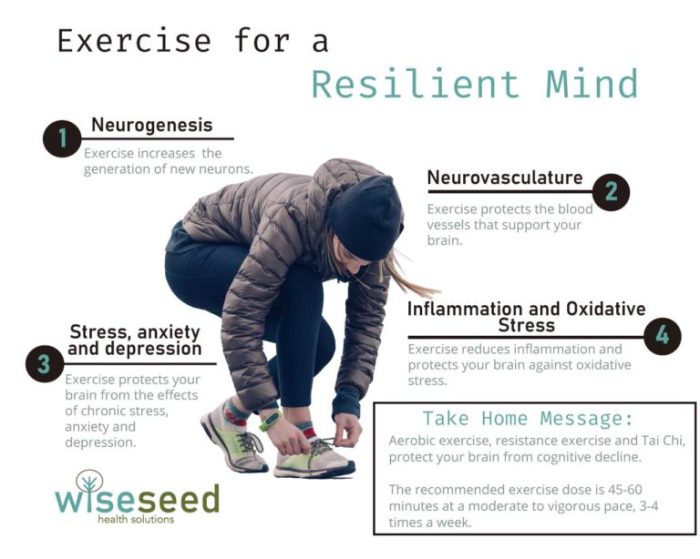
- Engage in regular physical activity to release endorphins and reduce feelings of anxiety.
- Establish a support system of friends, family, or a therapist to talk about your feelings and receive guidance.
- Use relaxation techniques such as deep breathing exercises or progressive muscle relaxation to alleviate stress.
Activities for Promoting Emotional Resilience
- Journaling to express and reflect on your thoughts and emotions.
- Engaging in hobbies or activities that bring you joy and relaxation.
- Practicing gratitude by focusing on the positive aspects of your life.
- Participating in therapy or counseling to work through emotional challenges and develop coping strategies.
Health Motivation
Staying motivated on a health and wellness journey is crucial for long-term success. It can be challenging to maintain healthy lifestyle choices, but with the right motivation, it becomes easier to stay on track and achieve your goals.
Tips for Finding and Sustaining Motivation
- Set specific, achievable goals: Break down your health goals into smaller, manageable steps to make progress more tangible and attainable.
- Find your why: Identify the reasons behind your desire to be healthy and use them as a source of motivation when things get tough.
- Reward yourself: Celebrate small victories along the way to keep yourself motivated and encouraged to continue your journey.
- Surround yourself with support: Seek out friends, family, or a health coach who can provide encouragement and accountability.
Motivational Tools and Techniques
- Visual reminders: Create a vision board or set reminders on your phone to keep your health goals top of mind.
- Positive affirmations: Repeat affirming statements to yourself daily to boost your confidence and motivation.
- Reward system: Establish a reward system for reaching milestones in your health journey to keep yourself motivated.
- Tracking progress: Keep a journal or use a health app to track your progress and see how far you’ve come, which can be motivating in itself.
Physical Activities
Regular physical activities are essential for maintaining good health and overall well-being. Engaging in physical activities not only helps in improving physical fitness but also has numerous benefits for mental health. It can reduce the risk of chronic diseases, improve mood, boost energy levels, and enhance quality of sleep.
Types of Physical Activities
- Aerobic exercises: such as walking, running, swimming, and cycling, are great for cardiovascular health and improving endurance.
- Strength training: involves exercises with weights or resistance bands to build muscle strength and improve bone density.
- Flexibility exercises: like yoga or stretching, help in improving flexibility, balance, and posture.
- High-intensity interval training (HIIT): combines short bursts of intense exercise with periods of rest and is effective for burning calories and improving overall fitness.
Tips for Incorporating More Movement
- Take short walks during breaks at work or while watching TV.
- Use stairs instead of elevators whenever possible.
- Join group fitness classes or sports activities to make exercise more enjoyable.
- Set specific goals and create a workout schedule to stay motivated and accountable.
Health Awareness
Raising awareness about various health issues is crucial in educating individuals and communities about the importance of preventive measures, early detection, and seeking proper treatment. By promoting health awareness, we can empower people to make informed decisions about their health and well-being.
Promoting Health Awareness
- Utilize social media platforms and websites to share accurate and reliable information about common health issues.
- Organize community health fairs, workshops, and seminars to educate the public about different aspects of health and wellness.
- Collaborate with healthcare professionals, organizations, and influencers to amplify health awareness messages and reach a wider audience.
Successful Health Awareness Campaigns
- The “Movember” campaign, which raises awareness about men’s health issues, such as prostate cancer and mental health, has had a significant impact in promoting early detection and treatment.
- The “Breast Cancer Awareness Month” campaign has helped increase screening rates and improve survival rates through early detection and intervention.
- The “World AIDS Day” campaign has played a crucial role in reducing stigma, increasing testing rates, and promoting access to treatment and support services for individuals living with HIV.
Preventive Medicine
Preventive medicine plays a crucial role in maintaining overall health and well-being by focusing on preventing diseases before they occur, rather than just treating them after they have already developed. By implementing preventive healthcare practices into daily routines, individuals can significantly reduce their risk of developing various health conditions and improve their quality of life.
Importance of Early Detection and Prevention
- Regular health screenings can help detect potential health issues early on, allowing for prompt intervention and treatment.
- Preventive measures such as vaccinations, healthy lifestyle choices, and regular exercise can help lower the risk of developing chronic diseases.
- Early detection of conditions like cancer, heart disease, and diabetes can lead to better outcomes and increased chances of successful treatment.
Tips for Incorporating Preventive Healthcare Practices
- Stay up to date with recommended screenings and vaccinations based on age, gender, and family history.
- Adopt a balanced diet rich in fruits, vegetables, whole grains, and lean proteins to support overall health.
- Engage in regular physical activity to maintain a healthy weight and reduce the risk of chronic diseases.
- Get an adequate amount of sleep each night to support immune function and overall well-being.
- Manage stress through relaxation techniques, mindfulness practices, and hobbies that bring joy and fulfillment.
Nutritional Counseling
Nutritional counseling plays a crucial role in improving dietary habits and overall health. By providing personalized guidance and tailored nutrition advice, nutritionists and dietitians help individuals make informed choices to meet their specific needs and goals.
Benefits of Nutritional Counseling
Nutritional counseling helps individuals develop a better understanding of their nutritional requirements and how to make healthier food choices. It can lead to improved energy levels, better weight management, enhanced athletic performance, and reduced risk of chronic diseases. By working with a nutritionist or dietitian, individuals can create sustainable and practical dietary plans that suit their lifestyle and preferences.
Role of Nutritionists and Dietitians
Nutritionists and dietitians are trained professionals who assess an individual’s dietary intake, lifestyle habits, and health goals to provide tailored nutrition advice. They consider factors such as medical conditions, food allergies, cultural preferences, and personal preferences to create personalized meal plans. These experts help clients navigate conflicting nutrition information, debunk myths, and promote evidence-based dietary practices.
Tips for Finding a Qualified Nutritional Counselor
– Look for registered dietitians or certified nutritionists with recognized credentials.
– Consider their experience, specialization, and areas of expertise that align with your needs.
– Seek recommendations from healthcare providers, friends, or family members.
– Check for online reviews and testimonials to gauge the counselor’s reputation and success stories.
– Schedule a consultation to discuss your goals, expectations, and the counselor’s approach to personalized nutrition counseling.
Healthy Mind
Having a healthy mind is crucial for overall well-being as it directly impacts our emotions, thoughts, and behaviors. A positive mental state can improve cognitive function, decision-making, and resilience in the face of challenges. It is essential to take care of our mental health just as we do our physical health.
Strategies for Promoting Mental Wellness
- Practice mindfulness and meditation to reduce stress and improve focus.
- Engage in regular physical exercise to boost endorphins and promote a sense of well-being.
- Cultivate positive relationships and social connections for emotional support.
- Set realistic goals and celebrate achievements to boost self-esteem.
Activities for a Healthy Mind
- Journaling to express thoughts and emotions.
- Engaging in creative hobbies such as painting, writing, or playing music.
- Learning something new to stimulate the brain and enhance cognitive function.
- Practicing gratitude by focusing on the positive aspects of life.
Q&A
How often should I practice mental strength exercises?
You can benefit from regular practice, ideally incorporating these exercises into your daily routine to see noticeable improvements in resilience over time.
Can anyone practice these exercises, regardless of their current mental state?
Absolutely! These exercises are designed to help individuals at any stage of their mental health journey, providing valuable tools for growth and resilience.
Are there any specific techniques recommended for beginners?
Starting with mindfulness practices, deep breathing exercises, and positive affirmations can be great entry points for those new to mental strength training.