Healthy Snacks
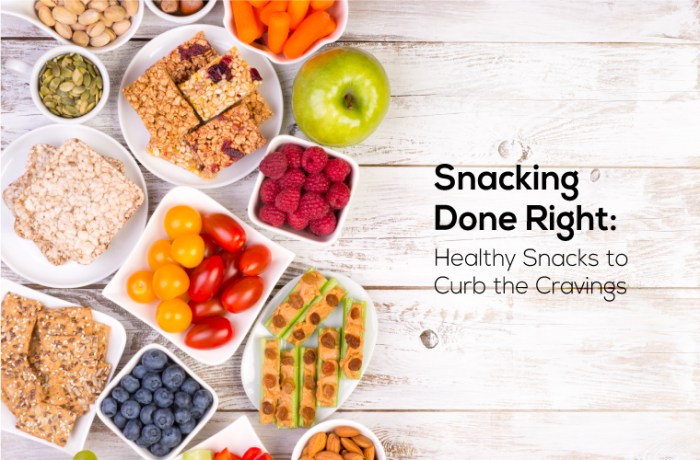
Healthy snacks to curb sugar cravings – When it comes to curbing sugar cravings, choosing nutritious snacks is key. Opting for snacks that have a good balance of protein, fiber, and healthy fats can help keep you satisfied and prevent spikes in blood sugar levels. Here are some creative snack ideas that are not only delicious but also easy to prepare:
Nutritious Snack Ideas:
- Apple slices with almond butter
- Greek yogurt topped with berries and a sprinkle of chia seeds
- Carrot sticks with hummus
- A small handful of mixed nuts
- Cucumber slices with guacamole
- Rice cakes with avocado and a drizzle of balsamic glaze
Wellness Programs
Wellness programs play a crucial role in promoting overall health and well-being in individuals. By incorporating healthy snack options, these programs can further enhance the benefits they offer.
Offering healthy snacks in workplace wellness programs can lead to various advantages for employees and the organization as a whole. Not only do healthy snacks help in curbing sugar cravings and promoting better eating habits, but they also contribute to increased energy levels, improved focus, and overall productivity. Moreover, by providing nutritious snack choices, employers can show their commitment to supporting their employees’ health and wellness.
Successful Wellness Programs Promoting Healthy Snacking Habits
- One successful wellness program implemented by XYZ Corporation involved setting up designated snack areas stocked with a variety of healthy options such as fresh fruits, nuts, yogurt, and granola bars. Employees were encouraged to choose these snacks over traditional vending machine options.
- In another example, ABC Company organized weekly nutrition workshops where employees learned about the benefits of healthy snacking and how to make smart choices when it comes to selecting snacks. This initiative helped raise awareness and educate employees on the importance of incorporating nutritious snacks into their daily routine.
- Furthermore, DEF Organization introduced a snack subscription service that delivered curated boxes of healthy snacks to employees’ desks on a regular basis. This not only made it convenient for employees to access nutritious options but also encouraged them to try new snacks and flavors.
Physical Therapy
Physical therapy plays a crucial role in promoting a healthy lifestyle and reducing sugar cravings. By incorporating physical therapy exercises into daily routines, individuals can improve their overall well-being and reduce the need for sugary snacks.
Benefits of Physical Therapy Exercises, Healthy snacks to curb sugar cravings
- Physical therapy exercises help to strengthen muscles, improve flexibility, and enhance overall mobility, contributing to better physical health.
- Regular physical activity through therapy can boost endorphin levels, leading to improved mood and reduced stress, which can help curb emotional eating habits.
- Engaging in physical therapy can aid in weight management, making it easier to maintain a healthy weight and reduce the risk of developing conditions like obesity and diabetes.
Health Coaching
Health coaches play a crucial role in helping individuals make better snack choices to curb sugar cravings. They provide personalized guidance, support, and accountability to help clients develop healthier eating habits.
Impact of Health Coaching
- Health coaches work with individuals to create customized nutrition plans that focus on reducing sugar intake and increasing consumption of nutrient-dense foods.
- They educate clients about the detrimental effects of excessive sugar consumption on overall health and well-being.
- Health coaches empower individuals to make informed choices when it comes to selecting snacks and meals, leading to long-term improvements in nutrition.
Success Stories
- Emily, a client struggling with sugar cravings, worked with a health coach to identify triggers and implement healthier snack options. Through regular coaching sessions, she was able to reduce her sugar intake significantly and improve her overall health.
- Chris, a busy professional, sought the help of a health coach to develop a meal plan that would support his active lifestyle and reduce his reliance on sugary snacks. With the guidance of his coach, Chris was able to achieve his health goals and maintain a balanced diet.
Medical Advancements
Recent medical advancements have shed new light on understanding sugar cravings and their impact on health. Researchers and healthcare professionals are continuously studying the underlying causes of sugar cravings and how they can lead to various health issues.
Gene Therapy for Sugar Cravings
One of the groundbreaking advancements in the field of medical research is the exploration of gene therapy to help individuals overcome sugar cravings. By targeting specific genes associated with cravings, scientists are working towards developing personalized treatments to curb unhealthy urges.
Neurofeedback Technology
Advances in neurofeedback technology have also shown promise in managing sugar cravings. This innovative approach involves training the brain to regulate responses to cravings, ultimately reducing the urge to consume sugary foods. By using real-time brain activity monitoring, individuals can learn to control their cravings more effectively.
Medication and Hormonal Therapies
In addition to gene therapy and neurofeedback, medical advancements have led to the development of medications and hormonal therapies to address sugar cravings. These treatments target the chemical imbalances in the body that contribute to cravings, offering a more comprehensive approach to managing unhealthy eating habits.
Fitness Goals
Setting fitness goals plays a crucial role in influencing snack choices and helping to curb sugar cravings. When individuals have specific fitness goals in mind, they are more likely to make healthier food choices, including opting for nutritious snacks over sugary treats.
The Impact of Physical Activity on Sugar Cravings
Regular physical activity can help reduce cravings for sugary foods. Exercise releases endorphins, which can improve mood and reduce stress levels, factors that often contribute to sugar cravings. Additionally, engaging in physical activity can help regulate blood sugar levels, making individuals less likely to experience sudden spikes and crashes that lead to cravings for sugary snacks.
- Exercise stimulates the production of dopamine, a neurotransmitter associated with pleasure and reward, which can help reduce the desire for sugary foods.
- Physical activity can also increase insulin sensitivity, allowing the body to better utilize glucose and reducing the likelihood of cravings for sweets.
- Regular exercise can improve overall health and well-being, making individuals more mindful of their food choices and less likely to give in to sugary temptations.
Aligning Fitness Goals with Healthy Snacking Habits
It is essential to align fitness goals with healthy snacking habits to achieve overall wellness. Choosing nutrient-dense snacks that support fitness goals can provide the energy and nutrients needed to fuel workouts and promote recovery.
- Opt for protein-rich snacks like Greek yogurt, nuts, or edamame to support muscle growth and repair.
- Incorporate complex carbohydrates such as whole grains, fruits, and vegetables to sustain energy levels and prevent cravings for sugary snacks.
- Stay hydrated with water or herbal teas to help curb cravings and support overall health and fitness goals.
Balanced Nutrition
Maintaining a balanced nutrition is crucial in managing sugar cravings and promoting overall health and well-being. By fueling our bodies with the right nutrients, we can regulate blood sugar levels and reduce the likelihood of experiencing intense cravings for sugary snacks.
Importance of Whole Foods
Eating a diet rich in whole foods such as fruits, vegetables, whole grains, and lean proteins can provide essential vitamins, minerals, and fiber that our bodies need to function optimally. These nutrient-dense foods help stabilize blood sugar levels, preventing spikes and crashes that often lead to sugar cravings.
- Include a variety of colorful fruits and vegetables in your meals to ensure you are getting a wide range of nutrients.
- Opt for whole grains like quinoa, brown rice, and oats over refined grains to promote steady energy levels.
- Incorporate lean proteins such as chicken, fish, tofu, or legumes to help you feel full and satisfied after meals.
Remember, balance is key when it comes to nutrition. Aim to include a mix of carbohydrates, proteins, and healthy fats in each meal to support your overall health.
Mental Strength
In the journey to resist sugar cravings and make healthier snack choices, mental strength plays a crucial role. It involves the ability to control impulses, make conscious decisions, and stay committed to long-term goals.
Building Mental Resilience
Building mental resilience is key to overcoming sugar cravings and opting for healthier snacks. Here are some strategies to help strengthen your mental resolve:
- Awareness: Recognize your triggers and understand the reasons behind your cravings.
- Positive self-talk: Replace negative thoughts with positive affirmations to stay motivated.
- Stress management: Find healthy ways to cope with stress, such as exercise, meditation, or deep breathing.
- Setting goals: Establish clear and achievable goals to keep you focused on your health journey.
Mindfulness Techniques
Practicing mindfulness can aid in overcoming cravings and making positive food choices. Here are some techniques to incorporate into your daily routine:
- Deep breathing: Take slow, deep breaths to calm your mind and reduce the intensity of cravings.
- Mindful eating: Pay attention to the taste, texture, and aroma of your food to enhance satisfaction and reduce mindless snacking.
- Visualizing success: Imagine yourself making healthy snack choices and feeling proud of your decisions.
- Gratitude practice: Reflect on the nourishing qualities of healthy foods and appreciate the benefits they bring to your body.
Yoga Practice: Healthy Snacks To Curb Sugar Cravings
Yoga practice is not only beneficial for physical health but also plays a significant role in reducing sugar cravings and promoting mindful eating habits. The combination of movement, breathwork, and meditation in yoga can help individuals become more aware of their bodies and emotions, leading to better food choices and reduced cravings for sugary snacks.
Yoga Poses for Sugar Cravings
- Child’s Pose (Balasana): This calming pose can help reduce stress and anxiety, which are common triggers for sugar cravings.
- Twisting Poses: Twists like seated spinal twist or twisted chair pose can aid in improving digestion and detoxifying the body, reducing the urge for unhealthy snacks.
- Warrior Poses: Warrior I and II poses can help build strength and stability, empowering individuals to make healthier choices when it comes to snacking.
Benefits of Yoga in Supporting Healthy Snack Choices
- Increased Mindfulness: Yoga practice encourages mindfulness, allowing individuals to be more present and aware of their eating habits, making it easier to resist sugary temptations.
- Stress Reduction: Yoga helps lower stress levels, which can prevent emotional eating and cravings for comfort foods like sugary snacks.
- Improved Self-Control: Regular yoga practice can enhance self-discipline and self-control, making it easier to choose nutritious snacks over sugary treats.
Health Education
Health education plays a crucial role in promoting awareness of healthy snack options and empowering individuals to make better food choices.
The Importance of Nutrition Education
Educating individuals about nutrition can help them understand the impact of their food choices on their overall health. By learning about the nutrients in different foods, individuals can make informed decisions and choose snacks that support their well-being.
Resources for Health Education on Curbing Sugar Cravings
- Wellness Programs: Many wellness programs include nutrition education components that focus on managing sugar cravings and choosing healthier snack options.
- Health Coaching: Working with a health coach can provide personalized guidance on curbing sugar cravings through nutrition education and behavior change strategies.
- Online Resources: There are various online resources, such as articles, videos, and webinars, that offer information and tips on healthy snacking and reducing sugar intake.
- Cooking Classes: Attending cooking classes that emphasize nutritious snacks and alternatives to sugary treats can be a fun and interactive way to learn about healthy eating.
Weight Management
Maintaining a healthy weight is crucial for overall well-being and can have a significant impact on sugar cravings. When we are at a healthy weight, our body functions optimally, reducing the likelihood of hormonal imbalances that can trigger cravings for sugary foods.
Balanced Nutrition and Physical Activity
Balanced nutrition and regular physical activity are key components of weight management. Eating a variety of nutrient-dense foods, such as fruits, vegetables, whole grains, and lean proteins, can help keep you feeling full and satisfied, reducing the urge to snack on unhealthy sugary treats. Pairing a nutritious diet with regular exercise can further support weight management by burning calories and building lean muscle mass.
- Make sure to include a balance of macronutrients in your meals, such as carbohydrates, proteins, and healthy fats, to keep your energy levels stable and prevent cravings.
- Stay hydrated by drinking plenty of water throughout the day, as dehydration can sometimes be mistaken for hunger.
- Engage in at least 150 minutes of moderate-intensity exercise per week, such as brisk walking, cycling, or swimming, to support weight loss and maintenance.
- Consider incorporating strength training exercises into your routine to build muscle and boost your metabolism.
Health Checkups
Regular health checkups play a crucial role in monitoring overall health and managing sugar cravings. These checkups provide valuable insights into our body’s functioning, allowing healthcare providers to offer guidance on healthy snacking habits during appointments. It is essential to track progress and make necessary adjustments based on the results of these checkups to ensure optimal health and well-being.
Role of Healthcare Providers
Healthcare providers can offer personalized advice on healthy snacking habits, taking into consideration individual dietary needs and preferences. They can also monitor key health indicators such as blood sugar levels, cholesterol, and blood pressure, which are closely linked to sugar cravings. By discussing these results with patients, healthcare providers can help them make informed decisions about their snacking choices and overall lifestyle.
Importance of Tracking Progress
Tracking progress through regular health checkups allows individuals to assess the impact of their dietary and lifestyle choices on their health. By analyzing trends in key health markers over time, individuals can identify patterns related to sugar cravings and make necessary adjustments to their diet and habits. This proactive approach enables individuals to take control of their health and well-being, leading to long-term benefits in managing sugar cravings and promoting overall wellness.
Skin Health
Sugar consumption can have a direct impact on skin health, leading to issues such as acne, premature aging, and inflammation. By choosing healthy snacks that are low in sugar and high in nutrients, you can support better skin health and overall well-being. In addition to a balanced diet, skincare routines and habits play a crucial role in maintaining healthy skin.
Skincare Tips for Reducing Sugar Intake
- Avoid processed foods and sugary drinks, opting for whole foods like fruits, vegetables, and lean proteins.
- Stay hydrated by drinking plenty of water throughout the day to help flush out toxins and keep your skin hydrated.
- Incorporate foods rich in antioxidants, such as berries, nuts, and green tea, to combat free radicals and promote skin health.
- Use gentle cleansers and moisturizers suited for your skin type to maintain a healthy skin barrier.
- Get an adequate amount of sleep to allow your skin to repair and rejuvenate overnight.
Emotional Health
Emotional health plays a significant role in influencing our sugar cravings and snack choices. The way we feel emotionally can greatly impact our food decisions, leading us to reach for sugary treats as a form of comfort or stress relief.
Impact of Stress and Emotions on Sugar Cravings
When we experience stress or negative emotions, our bodies often crave foods high in sugar and fat. This is because consuming these foods can trigger the release of dopamine, a feel-good neurotransmitter, which temporarily improves our mood and provides a sense of pleasure. However, relying on sugary snacks as a coping mechanism can lead to a cycle of emotional eating and unhealthy habits.
- Stress and emotions can lead to increased cortisol levels, which can stimulate cravings for sugary foods.
- Emotional eating can create a pattern of seeking comfort in unhealthy snacks, rather than addressing the root cause of our emotions.
- Chronic stress can disrupt our body’s hunger hormones, leading to cravings for high-calorie, high-sugar foods.
- Emotional eating can also contribute to weight gain and negative feelings about our bodies, further impacting our emotional health.
Strategies for Emotional Well-Being and Healthy Snacking
To support emotional well-being and make healthier snack choices, it is important to develop coping mechanisms and strategies to manage stress and emotions effectively.
- Practice mindfulness and deep breathing techniques to reduce stress and increase emotional awareness.
- Engage in regular physical activity, such as yoga or walking, to improve mood and reduce emotional eating tendencies.
- Seek support from friends, family, or a therapist to address underlying emotional issues and develop healthier coping mechanisms.
- Incorporate stress-reducing activities into your daily routine, such as meditation, journaling, or spending time in nature.
- Focus on consuming balanced meals and snacks that provide sustained energy and nourishment, rather than relying on sugary treats for a quick fix.
Health Motivation
Maintaining motivation is crucial when it comes to making healthy snack choices. It can be challenging to resist sugary treats, but having the right mindset and determination can help individuals stay on track with their health goals.
Setting Achievable Goals
Setting specific and achievable goals can greatly help individuals overcome sugar cravings. By having a clear target in mind, such as reducing sugar intake or incorporating more nutritious snacks, people are more likely to stay motivated and focused on making healthier choices.
- Start small: Begin by making small changes in your snack choices, such as swapping out sugary snacks for fruits or nuts.
- Track your progress: Keep a food journal or use a tracking app to monitor your snack intake and see how far you’ve come in making healthier choices.
- Reward yourself: Celebrate your milestones and achievements along the way to stay motivated and encouraged to continue making positive changes.
Inspirational Stories and Tips
Sharing inspirational stories and tips can also be a great way to boost motivation when it comes to making healthy snack decisions. Hearing about others’ success stories or learning new strategies can provide encouragement and inspiration to keep going.
Remember, every healthy choice you make, no matter how small, is a step in the right direction towards a healthier and happier you.
Physical Activities
Regular physical activity plays a crucial role in reducing sugar cravings and promoting overall health. Engaging in exercise helps regulate blood sugar levels, which in turn can help curb cravings for sugary foods. Here are some tips on how to incorporate physical activities to support healthy snacking habits:
Incorporating Physical Activities
- Start with activities you enjoy: Whether it’s dancing, hiking, or playing sports, choose activities that you find fun and engaging to make exercise a regular part of your routine.
- Set realistic goals: Begin with achievable goals and gradually increase the intensity and duration of your workouts to build endurance and strength over time.
- Stay consistent: Consistency is key to reaping the benefits of physical activity. Aim to exercise regularly, even if it’s just for a short duration each day.
- Combine cardio and strength training: Incorporating a mix of cardiovascular exercises and strength training can help improve your overall fitness level and boost metabolism.
- Stay hydrated: Drink plenty of water before, during, and after your workouts to stay hydrated and support your body’s recovery process.
- Listen to your body: Pay attention to how your body feels during and after exercise. Rest when needed and consult a healthcare professional if you experience any pain or discomfort.
Health Awareness
Raising awareness about healthy snack options and sugar cravings is crucial in promoting overall well-being. By educating individuals on the importance of making nutritious choices, we can help them curb sugar cravings and maintain a balanced diet.
Increasing health awareness can lead to better food choices and improved overall health. When individuals are aware of the impact of their dietary decisions, they are more likely to opt for snacks that are nutrient-dense and low in added sugars. This can contribute to better energy levels, improved mood, and reduced risk of chronic diseases.
Community Initiatives for Health Awareness
- Community workshops and seminars focusing on healthy snack alternatives
- Collaborations with local schools to educate children about the benefits of nutritious snacks
- Health campaigns promoting the importance of mindful eating and sugar reduction
- Partnerships with healthcare providers to offer resources and guidance on healthy snacking
Preventive Medicine
Preventive medicine plays a crucial role in reducing sugar cravings and promoting overall health by focusing on proactive measures to maintain well-being and prevent diseases.
Role of Preventive Care in Addressing Nutritional Needs
Preventive care emphasizes the importance of a balanced diet rich in essential nutrients to address nutritional needs effectively. By educating individuals on the significance of proper nutrition, preventive medicine helps in curbing sugar cravings and promoting healthier eating habits.
Benefits of Preventive Medicine in Supporting Healthy Lifestyle Choices
Preventive medicine offers a range of benefits in supporting healthy lifestyle choices, including early detection of potential health issues, personalized wellness programs, and guidance on making sustainable lifestyle changes. By focusing on prevention rather than treatment, individuals can proactively manage their health and reduce the risk of developing chronic conditions.
Nutritional Counseling
Nutritional counseling plays a crucial role in helping individuals make healthier snack choices by providing personalized guidance and support. By working with a nutritionist, individuals can develop a tailored snack plan that addresses their specific nutritional needs and preferences.
Benefits of Nutritional Counseling
- Receive personalized guidance: Nutritionists can assess your current dietary habits and create a customized snack plan to help you make healthier choices.
- Learn about balanced nutrition: Nutritional counseling can educate you on the importance of incorporating a variety of nutrients into your snacks for optimal health.
- Address specific concerns: Whether you are looking to curb sugar cravings or improve overall nutrition, a nutritionist can provide strategies to help you achieve your goals.
- Accountability and support: Working with a nutritionist provides accountability and ongoing support to help you stay on track with your snack plan.
Healthy Mind
Having a healthy mind is crucial when it comes to making positive snack choices. When our minds are in a good place, we are more likely to listen to our bodies and make decisions that benefit our overall health.
Mindfulness Practices for Craving Awareness
Mindfulness practices can help individuals become more aware of their cravings by teaching them to be present in the moment and observe their thoughts and feelings without judgment. This awareness can help people differentiate between true hunger and emotional cravings, leading to better snack choices.
Strategies for Cultivating a Healthy Mindset
- Acknowledge and challenge negative thoughts that may lead to unhealthy snacking habits.
- Practice gratitude to shift focus from cravings to appreciation for what our bodies truly need.
- Incorporate stress-reducing activities like meditation or deep breathing exercises to prevent emotional eating.
- Stay connected with supportive friends and family members who encourage healthy habits.
- Engage in hobbies or activities that bring joy and fulfillment, reducing the desire for unhealthy snacks.
Question & Answer Hub
How can physical therapy help reduce sugar cravings?
Physical therapy exercises can improve overall well-being and reduce the need for sugary snacks by promoting physical activity and healthy habits.
What role does mental strength play in resisting sugar cravings?
Mental resilience and mindfulness techniques are essential in making healthier snack choices and overcoming sugar cravings.
Why is balanced nutrition important in managing sugar cravings?
A diet rich in whole foods helps regulate blood sugar levels and reduces cravings, supporting overall health and well-being.